The landscape of modern India is dotted with monumental sculptures that define its public spaces and national identity. Behind many of these iconic works stands one visionary artist: Padma Vibhushan awardee Ram Vanji Sutar. At 99, Sutar's legacy is etched in bronze and stone across the country, most famously in the world's tallest statue, the Statue of Unity.
From Humble Beginnings to National Acclaim
Born in 1925 in a small village in the Gondur region of Maharashtra's Dhule district, Ram Sutar's journey to becoming India's preeminent monumental sculptor is a story of passion and perseverance. His initial training came from his father, a carpenter and temple idol maker, who taught him wood carving. This traditional foundation was later strengthened by formal education at the Sir J.J. School of Art in Mumbai.
Sutar's career began not with grand statues, but with meticulous model-making for the Archaeological Survey of India (ASI). This work involved creating precise replicas of ancient Indian sculptures and historical sites, a task that honed his eye for detail and deep respect for India's artistic heritage. This phase was crucial, providing him with an intimate understanding of scale, form, and historical context that would later inform his colossal works.

Sculpting the Icons of a Nation
Ram Sutar's studio, Ram Sutar Art Creations, founded in 1959 and now led by his son Anil Sutar, has become synonymous with India's most significant public sculptures. His portfolio reads like a who's who of modern Indian history and spirituality.
His statues of Mahatma Gandhi are perhaps his most widespread contribution, with over 50 installations across the globe, including at the Parliament House Complex in New Delhi. Each Gandhi statue is noted for its capturing of the Mahatma's serene yet determined spirit. Beyond Gandhi, Sutar's chisel has given form to other founding figures like Jawaharlal Nehru, Dr. B.R. Ambedkar, and Sardar Vallabhbhai Patel.
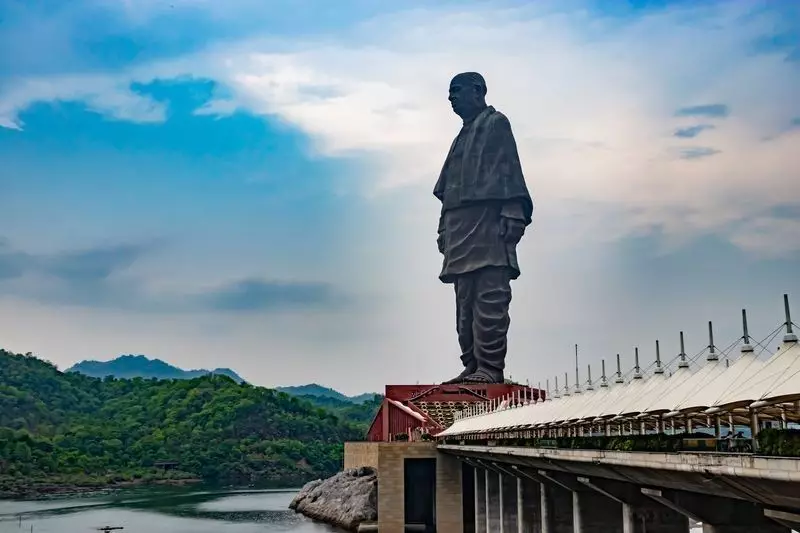
However, his magnum opus is undoubtedly the 182-meter (597-foot) Statue of Unity, dedicated to Sardar Patel and unveiled in 2018 on the banks of the Narmada River in Gujarat. This engineering and artistic marvel, currently the world's tallest statue, required over four years of work from Sutar's team. The project showcased his ability to translate a powerful vision into a breathtaking reality that dominates the skyline.
His other major works include the 21.3-meter-tall statue of Mahatma Gandhi in Bengaluru's Vidhana Soudha and the iconic Chhatrapati Shivaji Maharaj statue at the Goa airport. His spiritual sculptures, such as those of the Jain Tirthankara Lord Mahavira and the Buddha, reflect a profound understanding of peace and divinity.
The Philosophy and Technique Behind the Monuments
What sets Ram Sutar's work apart is not just scale, but soul. He is renowned for his dedication to capturing the true essence and personality of his subjects. This involves deep research into photographs, writings, and historical accounts to understand the individual's character and posture.
His process often begins with a small clay model, which is then scaled up using a meticulous pointing machine technique—a method that ensures perfect proportionality when enlarging a model to monumental sizes. Sutar believes a statue's face, especially the eyes, must convey life and emotion. He famously stated that a portrait statue should be so accurate that if the subject were to come alive, they should recognize themselves in it.
This commitment to authenticity and emotional resonance has made his sculptures more than just stone and metal; they have become sites of national pilgrimage and public gathering.
A Legacy Cast in Bronze
Ram Sutar's contributions have been recognized with India's highest civilian honors. He was awarded the Padma Shri in 1999, the Padma Bhushan in 2016, and finally the Padma Vibhushan in 2024. These awards celebrate not just an artist, but a national institution whose work has visually articulated India's journey and ideals for decades.

As he approaches his centenary year, Ram Sutar's legacy is secure. He has fundamentally shaped the aesthetic of public art in independent India. Through his son Anil and his studio, his philosophy and craftsmanship continue to inspire new projects. His statues stand as silent yet powerful narrators of India's history, democracy, and spiritual thought, ensuring that the faces and figures that built the nation will inspire generations to come.
In a world of fleeting trends, Ram Sutar's monumental art offers permanence, memory, and a timeless connection to the pillars of Indian society. His life's work is a testament to the power of art to build national identity, one monumental sculpture at a time.