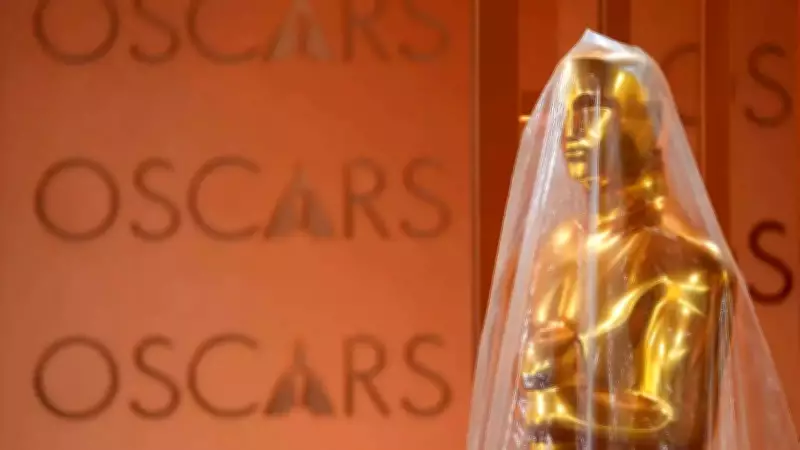
The $1 Oscar: Unveiling Hollywood's Golden Secret
In Hollywood, securing an Oscar represents a monumental achievement for actors, directors, and filmmakers alike. This prestigious award is widely regarded as one of the most esteemed honors in the global film industry. An Oscar victory typically catapults recipients into the international spotlight, leading to enhanced career opportunities, lucrative film offers, and often significantly increased compensation.
Why the Oscar Trophy Is Officially Valued at Just $1
The Academy of Motion Picture Arts and Sciences, the governing body behind the Oscars, enforces stringent regulations concerning the iconic golden statuette. According to official Academy guidelines, winners are prohibited from freely selling their Oscar trophies. Instead, if a recipient ever decides to part with their award, they must first offer it back to the Academy for a mere $1. This rule is meticulously designed to preserve the Oscar as a symbol of artistic excellence and accomplishment, rather than allowing it to become a commodity traded for financial gain.
Family Heirs Are Also Bound by This Regulation
This $1 rule extends beyond the original winner to include their family members. In the event of the winner's passing, any heirs who inherit the Oscar must adhere to the same condition. They are required to present the trophy to the Academy for $1 before attempting to sell or transfer it to another party. This measure ensures that the award's significance and integrity are maintained across generations, reinforcing its status as a cherished emblem of cinematic achievement.

Historical Origins of the $1 Oscar Rule
As detailed in a CNBC report, the Academy instituted this rule in 1951 with a clear objective: to protect the Oscar's prestige and prevent the unrestricted commercial sale of the trophies. By implementing this policy, the Academy aimed to uphold the award's honor and discourage its exploitation in the marketplace.
Exceptions for Pre-1951 Oscars Allow for High-Value Sales
Notably, the $1 rule does not apply to Oscars awarded prior to 1951. Consequently, these older trophies have occasionally been sold for substantial sums. For instance, Michael Jackson famously purchased the Best Picture Oscar for Gone with the Wind (1940) for approximately $1.54 million. Additionally, an Oscar for the screenplay of Citizen Kane (1942) was later sold for $861,542, as reported by CNBC.
The Academy's Vigilant Protection of the Oscar Brand
The Academy maintains rigorous control over the Oscar trophy's usage and representation. This includes regulating replicas and pursuing legal action against unauthorized use of the "Oscar" name. In certain instances, even novelty versions of the statue have faced legal challenges, underscoring the Academy's commitment to safeguarding the award's exclusivity and reputation.