Calcutta University Scrutinizes College Readiness for Four-Year UG Research Initiative
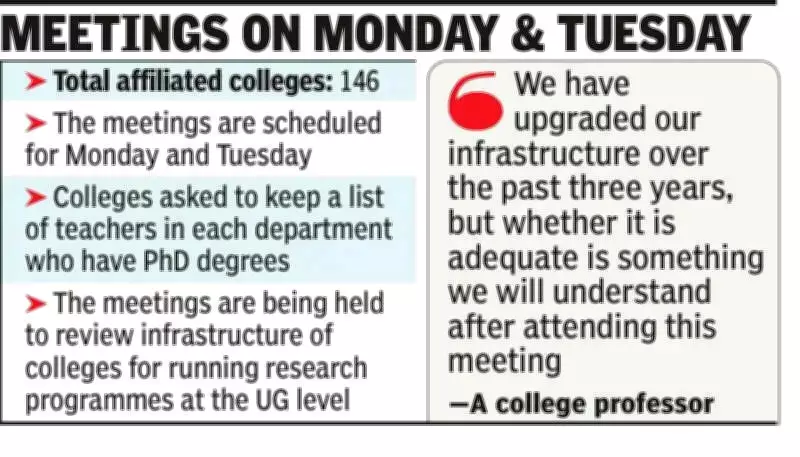
In a significant move ahead of launching a four-year undergraduate honors with research program, Calcutta University has initiated a comprehensive review of its 146 affiliated colleges to assess their infrastructure capabilities. A marathon meeting scheduled for Monday and Tuesday will bring together university officials and college representatives to evaluate preparedness for this ambitious educational reform.
Program Structure and Requirements
The new four-year degree program is structured into eight semesters, offering students flexibility in their academic journey. After completing the first three years, students can opt to exit with a standard graduation degree. Those who continue into the fourth year will earn an honors degree, with an additional option to pursue a research project or dissertation to receive an honors with research degree.
According to University Grants Commission (UGC) guidelines, colleges must meet stringent criteria to run the final two semesters (Semester 7 and 8) of this program. Key requirements include having at least two permanent faculty members with PhD qualifications in each department, adequate laboratory and library facilities, and specialized training in research methodology.

Infrastructure Assessment and Compliance
A Calcutta University official emphasized that the discussions will center on the infrastructure of the colleges and their ability to manage the last two semesters effectively. Colleges must have a minimum of two PhD-qualified faculty members serving as research guides, along with other essential infrastructure such as well-equipped libraries, laboratories, and sufficient physical space. These criteria are non-negotiable for colleges aiming to offer the research-intensive components of the program.
Sources reveal that colleges have been instructed to prepare detailed lists of professors holding PhD degrees in each department prior to the meeting. This data will be crucial in determining which institutions are equipped to support undergraduate research activities.
Meeting Schedule and Strategic Plans
The assessment meetings are organized geographically to ensure thorough coverage. On Monday, colleges located in Kolkata will participate, while Tuesday is reserved for principals of district colleges. Based on the outcomes of these discussions, the university will decide how many colleges will be permitted to run the seventh and eighth semesters.
If a college fails to meet the required infrastructure standards and a significant number of students opt for research projects, the university may relocate those students to a nearby college where the subject is available. This contingency plan aims to ensure that students do not miss out on research opportunities due to institutional limitations.
Innovative Concepts and Future Directions
The university is also exploring the introduction of a cluster college concept, which would allow students to access the best possible facilities by attending classes across multiple nearby colleges. This collaborative approach could enhance resource sharing and improve educational outcomes.
One college principal expressed the need for clear guidelines on running the final two semesters, noting that research in the undergraduate program is a new venture for many institutions. While colleges have upgraded their infrastructure over the past three years, the adequacy of these improvements will be evaluated during the meetings.
The official added, "The university has some plans, which can only be implemented after we get a clear picture of the infrastructure of each college." This statement underscores the importance of the current assessment in shaping the future of undergraduate education at Calcutta University.