Educators Call for Work-Knowledge Synergy to Achieve Viksit Bharat
In a significant push towards national development, educators across India are highlighting the critical need to integrate practical work with academic knowledge to realize the ambitious Viksit Bharat vision. This approach, they argue, is fundamental for fostering a skilled and innovative workforce capable of driving sustainable growth and global competitiveness.
The Core Philosophy: Bridging Theory and Practice
The central premise advocated by educators is that work and knowledge must go hand-in-hand, rather than being treated as separate domains. This synergy is seen as vital for equipping students with not just theoretical understanding but also hands-on skills that are directly applicable in real-world scenarios. By embedding experiential learning into the curriculum, schools can better prepare youth for the complexities of modern economies and societal challenges.
Implications for School Education Reforms
To operationalize this vision, educators are calling for comprehensive reforms in school education systems. Key recommendations include:

- Curriculum Overhaul: Introducing more project-based and vocational training components that emphasize practical application of concepts.
- Teacher Training: Enhancing professional development programs to equip educators with tools for facilitating work-integrated learning.
- Infrastructure Upgrades: Investing in labs, workshops, and digital resources that support hands-on activities and innovation.
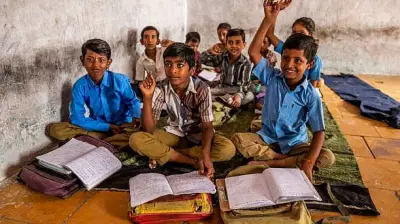
These steps aim to transform classrooms into dynamic environments where students actively engage in problem-solving and creative tasks, thereby bridging the gap between academic learning and real-life work experiences.
Aligning with Viksit Bharat Goals
The emphasis on work-knowledge integration directly supports the broader objectives of Viksit Bharat, which envisions India as a developed nation by 2047. Educators assert that by nurturing a generation proficient in both theoretical knowledge and practical skills, the country can accelerate progress in key sectors such as technology, manufacturing, and services. This holistic educational approach is expected to enhance employability, entrepreneurship, and overall economic productivity.
Challenges and the Path Forward
Despite the clear benefits, implementing this paradigm shift faces challenges, including resistance to change, resource constraints, and the need for policy alignment. Educators urge stakeholders—including government bodies, schools, and communities—to collaborate in creating an enabling ecosystem. Priorities include:
- Policy Support: Formulating guidelines that mandate experiential learning components in educational frameworks.
- Public Awareness: Campaigns to highlight the importance of work-knowledge synergy among parents and students.
- Continuous Evaluation: Monitoring outcomes to refine strategies and ensure effectiveness.
By addressing these hurdles, India can move closer to realizing a Viksit Bharat where education not only imparts knowledge but also empowers individuals to contribute meaningfully through work.