Water Bell Initiative in Karnataka Schools Meets Mixed Response in Dakshina Kannada
A recent state government directive requiring the introduction of water bells in all government, aided, and unaided schools across Karnataka has encountered only partial implementation in the Dakshina Kannada district. Education officials have reported that numerous institutions have yet to adopt this health-focused practice, despite a circular issued two weeks ago by the director of the PM-POSHAN scheme mandating compulsory compliance.
Uneven Adoption Across Schools
Senior officials in Dakshina Kannada revealed that while some schools have begun implementing the water bell initiative, many remain non-compliant. Interestingly, a handful of schools pioneered this practice as early as 2019, following a proposal by the then minister for primary and secondary education, S Suresh Kumar. A private school near Uppinangady holds the distinction of being the first in the state to implement the water bell and continues to adhere to it consistently.
Objectives and Challenges of the Initiative
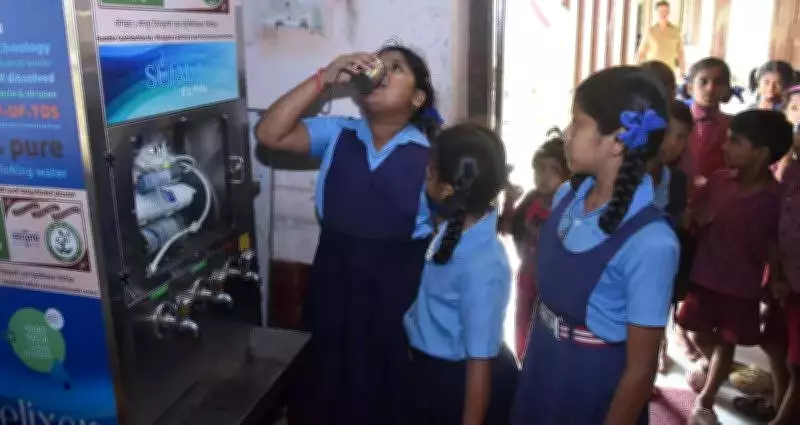
The circular outlines that the water bell initiative aims to remind students to drink water at regular intervals, thereby enhancing hydration, boosting metabolism, and improving overall health. The directive applies strictly to all schools from LKG to Class 10. To support this effort, some schools have received water bottles and purifiers from donors.
However, implementation faces significant hurdles. A senior official attributed the slow progress to a lack of interest among school managements in both government and aided schools. Additionally, many government schools suffer from poorly maintained and unhygienic washrooms. This infrastructure deficiency has led officials to observe that girl students often avoid drinking adequate water during school hours to minimize the need to use these facilities.
Meanwhile, numerous unaided schools have cited disruption to their existing timetables as a primary reason for not adopting the practice, highlighting logistical challenges in integrating the water bell into daily routines.
Success Stories and Official Responses
Despite these challenges, success stories emerge. Veena R Prasad, headmistress of Indraprastha Vidyalaya in Uppinangady, which introduced the water bell in 2019, confirmed that the practice continues uninterrupted. The bell rings three times daily at 10.35 am, 12 pm, and 2.10 pm—approximately half an hour before regular intervals. "On average, each child in our school drinks about 750 ml to a litre of water on campus every day. Consumption increases during summer," she noted, adding that parents have responded positively to the initiative.
When contacted, GS Shashidhar, deputy director of public instruction (DDPI) for Dakshina Kannada, stated that all schools have been instructed to implement the water bell. "We will soon conduct a survey to assess how many schools have implemented it," he assured, indicating ongoing monitoring efforts.
Accountability and Future Steps
Emphasizing the importance of compliance, Shashidhar Kosambe, president of the Karnataka State Commission for Protection of Child Rights, warned that action would be taken against higher officials if any school in the state fails to implement the directive. This underscores the government's commitment to enforcing the policy for student welfare.
The partial implementation in Dakshina Kannada reflects broader issues in educational policy execution, including:
- Management engagement and prioritization of health initiatives.
- Infrastructure gaps affecting student behavior and health practices.
- Timetable adjustments required in diverse school settings.
As officials plan surveys and potential actions, the water bell initiative serves as a case study in balancing regulatory mandates with practical school realities, aiming to foster healthier habits among Karnataka's young learners.