Prayagraj: Uttar Pradesh Launches Comprehensive 360-Degree Student Assessment System
In a transformative move for elementary education, the Basic Education Council of Uttar Pradesh is set to implement a revolutionary 360-degree report card system across more than 1 lakh primary and composite schools throughout the state. This groundbreaking initiative represents a significant departure from traditional evaluation methods, aiming to provide a holistic assessment of young learners' development.
Comprehensive Evaluation Beyond Academics
The new assessment framework will be applied to students from Classes 1 to 5, moving beyond conventional academic metrics to evaluate overall personality development. Developed by educational experts from the State Council of Educational Research and Training (SCERT) and the State Institute of Education, this initiative follows recommendations from the National Council of Educational Research and Training (NCERT).
According to Rajendra Pratap, principal of the State Institute of Education, comprehensive assessment is essential to ensure the all-round development of children. The progress reports will include detailed evaluations across multiple dimensions: academic achievements, practical skills, cognitive abilities, social and emotional development, creative expression, and physical health.
Alignment with National Education Policy 2020
This initiative directly supports the objectives outlined in the National Education Policy (NEP) 2020, which emphasizes nurturing creative thinking, logical reasoning, innovation capabilities, and decision-making abilities among students. The new report cards will be distributed to students across Uttar Pradesh following the end-of-session examinations in March.
The fundamental goal is to move beyond rote learning and encourage meaningful understanding and practical application of knowledge. Education officials describe this reform as marking a transformative shift toward more meaningful, student-centered learning approaches in elementary education.
Redesigned Examination Framework
To support the 360-degree evaluation system, significant changes are being implemented in question paper formats for Classes 2 to 8:
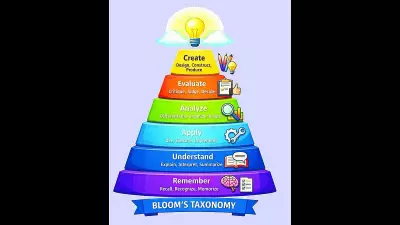
- For Classes 2 to 5: Question papers will consist of 40% knowledge-based questions, 30% comprehension-based questions, 20% application-oriented questions, and 10% analytical, evaluative, and creative questions.
- For Classes 6 to 8: The distribution changes to 30% knowledge-based questions and 40% comprehension-based questions, with the remaining pattern continuing as established.
Additionally, the difficulty level distribution ensures balanced assessment: 30% of questions will be easy, 50% moderate, and 20% challenging. This structured approach aims to improve learning outcomes while providing a more nuanced evaluation of student capabilities.
A New Era in Student Assessment
The implementation of this comprehensive assessment system represents one of the most significant educational reforms in Uttar Pradesh's recent history. By evaluating multiple aspects of student development beyond traditional academic metrics, the state aims to create more well-rounded individuals prepared for future challenges.
Education officials emphasize that this shift toward holistic assessment will help identify and nurture diverse talents among young learners, creating a more inclusive and effective educational environment that recognizes the multifaceted nature of child development.