Massive Scale of Uttar Pradesh Board Examinations Kicks Off
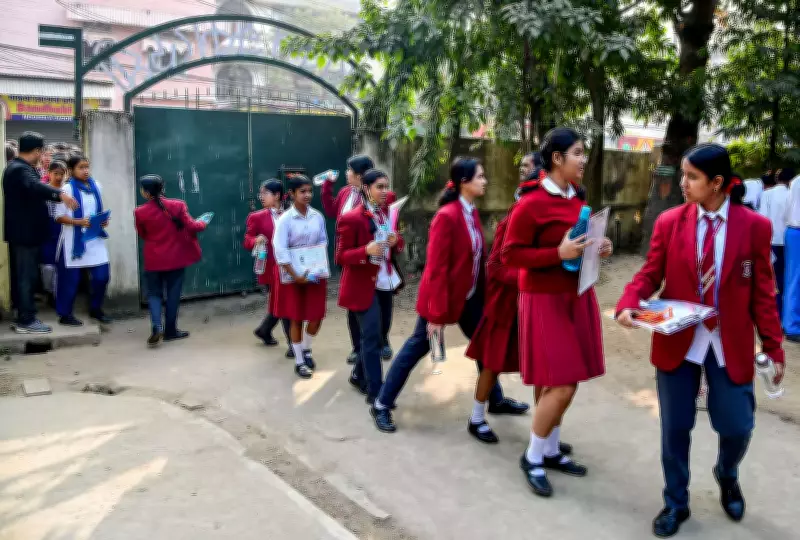
The annual board examination season in Uttar Pradesh officially commenced on February 18, marking the beginning of a critical academic milestone for more than 50 lakh students across the state. These candidates are appearing for both high school and intermediate level papers administered by the Uttar Pradesh Madhyamik Shiksha Parishad, representing one of the largest school-level examination exercises conducted anywhere in India.
Extensive Infrastructure and Enhanced Monitoring
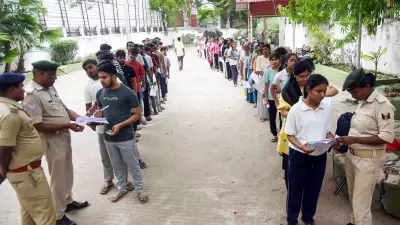
To accommodate this enormous number of examinees, authorities have established more than 8,000 examination centres strategically located throughout Uttar Pradesh. In preparation for the event, officials have significantly tightened monitoring mechanisms to ensure fairness and integrity, while simultaneously introducing specific, limited relaxations designed to support students facing genuine difficulties.
Continued Use of OMR System with Strict Protocols
For high school candidates, the examination format remains consistent with previous years. Students will answer 20 objective questions on Optical Mark Recognition sheets within each 70-mark paper. The remaining 50 marks will be evaluated based on descriptive answers written in traditional answer booklets.

To minimize clerical errors, the Board has pre-printed roll numbers and subject details directly onto the OMR sheets. However, strict instructions have been issued regarding answer marking: students must use only blue or black ballpoint pens. Any instances of cutting, overwriting, or application of correction fluid will result in immediate cancellation of the sheet.
In such cancellation scenarios, an alternative "orange" OMR sheet will be provided to the candidate. On this replacement sheet, students will be required to manually fill in all necessary details, including their roll number and subject information. Invigilators have received specific directives to verify these entries with extreme care before submission.
New Counter-Foil Mechanism to Prevent Tampering
In a significant move to strengthen transparency and prevent potential manipulation, the Board has implemented a new counter-foil system for OMR sheets. Each sheet now consists of two distinct parts: the main answer sheet and a detachable lower portion.
Following the examination, both sections will be separated and sealed in different envelopes. Officials state that this measure is specifically designed to enhance accountability at the centre level and create a verifiable chain of custody for answer documents. Room invigilators have been assigned the responsibility of meticulously matching student details on answer sheets before final submission.
Admit Card Relaxations and Accommodations
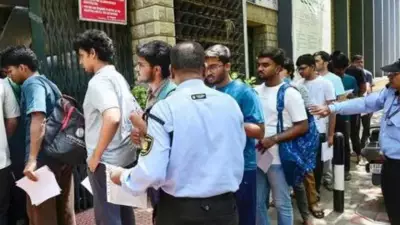
Recognizing that students may occasionally forget essential documents, the Board has introduced a provisional admission policy. Candidates who arrive without their admit cards may be granted temporary permission to sit for the examination. Centre administrators can authorize this on the condition that the student produces the original admit card or an officially certified duplicate copy at their next scheduled paper.
Failure to comply with this requirement will result in the student being barred from appearing in any further examinations. Additionally, a 30-minute grace period has been permitted for late arrivals, provided they can present valid reasons for their delay.
Minor discrepancies in personal details printed on admit cards will not automatically lead to disqualification, as long as the student's identity can be reliably verified through other means. Furthermore, Divyang candidates will receive an additional 20 minutes of examination time. Examination centres located in multi-storey buildings have been instructed to provide ground-floor seating arrangements to ensure accessibility for these students.
Second Opportunity for Missed Practical Examinations
During the recently concluded Intermediate practical examinations, a total of 4,372 students were unable to appear due to various reasons including absence, examiner-related issues, or other unforeseen circumstances. In response, the Board has announced that these students will be granted another opportunity to complete their practical assessments.

This second chance will be scheduled after the written examinations conclude on March 12. Students who can provide medical certificates or demonstrate other genuine, documented reasons for their initial absence will be eligible for up to two additional attempts to complete the practical component.
Official Advisory on Examination Strategy
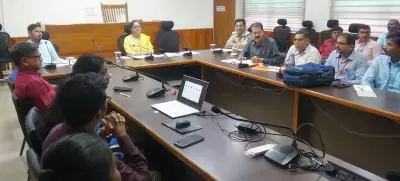
Ahead of the examination period, the Secondary Education Department conducted a comprehensive online guidance session for both students and parents. Officials provided strategic advice, recommending that candidates attempt familiar questions first, use clear headings, underline key points within their answers, and manage their examination time effectively.
Students were strongly urged to reserve the final minutes of each paper for careful revision of their answers, a practice aimed at minimizing avoidable errors and improving overall performance. This advisory forms part of a broader effort to support student success during this high-pressure academic period.