UK Schools Implement Skirt Ban to Foster Inclusivity and Streamline Uniforms
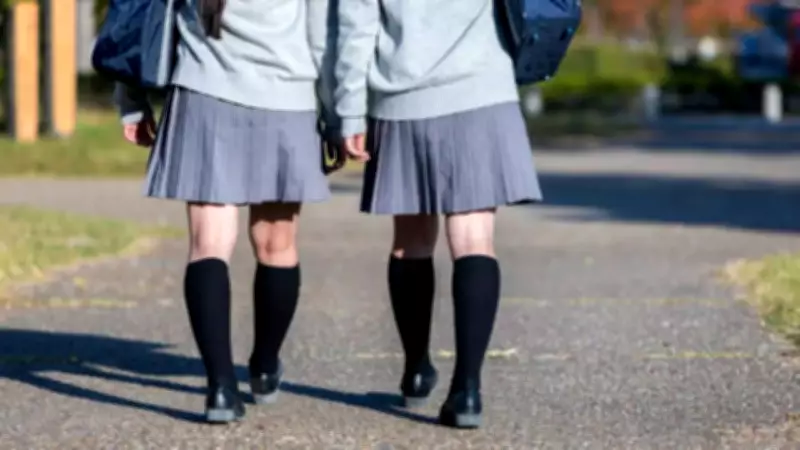
In a significant shift in educational policy, schools across the United Kingdom are increasingly banning skirts as part of their official uniforms. This move comes in response to longstanding issues where teachers have had to regularly monitor skirt lengths and address public complaints about skirts being too short. The focus is now shifting toward practical grounds and creating a more inclusive environment by removing traditional gender labels such as "girls" and "boys" from uniform requirements.
Schools Embrace Unisex Trousers for Equality and Comfort
Several institutions have taken proactive steps to streamline their uniforms by adopting blazers and unisex trousers. Brynteg School in Bridgend, South Wales, announced in a newsletter earlier this month that skirts will be prohibited starting in September. The school emphasized that a streamlined uniform "reduces pressure on families, removes unnecessary distinctions and ensures every pupil can feel comfortable and confident."
Similarly, Walbottle Academy highlighted that wearing trousers promotes inclusivity and equality, while also enhancing learning and comfort for all students. Other schools, including Newhouse Academy and Dixons Newall Green Academy, implemented skirt bans as early as September 2025, demonstrating a growing trend in the education sector.
New Government Legislation Drives Uniform Changes
A new government law restricting branded uniform items to three pieces plus a tie has largely propagated the shift toward trousers. This legislation aims to reduce costs for parents, making school attire more affordable. Elizabeth Gray, an account manager at supplier Your School Uniform, explained to the BBC that some mixed-gender secondary schools are now adopting a trousers-only policy.
Gray noted that schools still offering skirts are opting to place branded logos at the waistband to discourage rolling and shortening. She stated, "Schools report that staff were spending a disproportionate amount of time monitoring skirt length and managing related equality issues. Some schools have also received complaints from members of the public regarding the length of skirts worn by pupils while travelling to and from school."
Mixed Reactions from Parents and Experts
Despite the push for change, not all schools have embraced the ban. The Warriner School stepped back from the idea after facing protests from families. Some parents argue that students should retain the choice to wear skirts, viewing the ban as disregarding female students' right to express their femininity. A mother shared with The Telegraph that a phased approach, replacing uniforms as they are outgrown, would have been preferred to avoid wastefulness.
Experts offer divided opinions on the matter. In January, The Times reported that primary schools switching to PE-style kits saw improvements in academic attainment, well-being, and attendance. However, Dr. Madeleine Pownall, an associate professor in psychology at Leeds University, cautioned that banning skirts sends a problematic message. She told the BBC, "I’d much rather the conversation focus on creating professional, practical uniform standards that don’t place that burden on girls, and on teaching consent and respect, making it clear that managing behaviour and professionalism is everyone’s responsibility."
Supplier Insights and Alternative Approaches
Helen Burton from Junipers Uniform, another supplier, observed that some schools allow girls to wear trousers without outright banning skirts. She noted that the new law limiting branded items has significantly impacted schools, with many expressing frustration over the legislation. Burton revealed that two schools working with her supplier are considering dropping day uniforms entirely in favor of PE kits, citing that children already wear PE attire at least three days a week.
This transition reflects broader efforts to balance practicality, cost-effectiveness, and inclusivity in school environments. As UK schools continue to adapt, the debate over uniform policies highlights the complex interplay between tradition, equality, and modern educational needs.