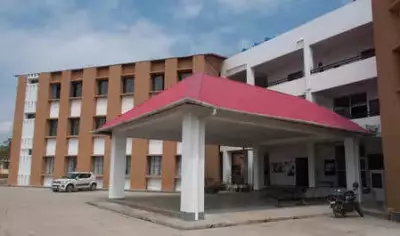
Newly released official data paints a stark picture of declining enrolment in government schools across Telangana, revealing a trend far worse than the national average. The number of state-run schools with fewer than ten or zero students has skyrocketed, raising serious concerns about the future of public education in the state.
A Disturbing Statistical Trend
The figures submitted in the Rajya Sabha are alarming. In the 2022-23 academic year, 3,576 government schools in Telangana had zero or fewer than 10 students. This number jumped to 4,626 the following year and surged to 5,021 by the 2024-25 academic year. This represents an increase of over 40% in just two years, significantly higher than the national trend of approximately 24% for the same period.
Perhaps more concerning is the subset of schools with absolutely no students. The data shows 2,081 schools recorded zero enrolment in 2024-25. District-wise, Nalgonda leads this distressing list with 315 such schools, followed by Mahabubabad (167) and Warangal (135). Other districts with high numbers include Ranga Reddy (99), Suryapet (94), Siddipet (84), and Nagarkurnool (81).

The Root Causes of the Exodus
Educationists and teachers point to a combination of systemic failures and societal shifts driving students away. Chava Ravi, a government teacher and president of the United Teachers Federation, identified key issues. "The main problem is that these are single-teacher schools," he explained. "When class 1 to class 5 is taught by the same teacher in a single classroom, the quality of education is compromised."
He also highlighted the lack of kindergarten facilities in government schools, which prompts parents to enrol their children in private institutions from the start. These students rarely return to the government system, creating a continuous drain on enrolment.
Teachers further note a significant cultural shift. Even in villages, sending children to private school has become a status symbol. Despite government initiatives like the Badi Bata programme aimed at boosting enrolment, many parents who can afford to do so are not even considering government schools as an option.
Criticism of Policy and Calls for Reform
The situation has led to strong criticism of the state's education policy. Over 1,400 schools with neither teachers nor students are set to be temporarily shut for this academic year, a move seen as a symptom of a larger malaise.
Educational activists argue that the government's focus is misplaced. K Laxminarayana from the Save Education Committee stated, "The government is unnecessarily wasting resources in establishing integrated schools which would cater to a few thousand students instead of strengthening the existing 30,000 schools in the state."
He advocates for a fundamental change in approach: "It should first come up with a plan to provide quality education to all students and improve infrastructure. This would automatically improve enrolment." The consensus among experts is that the neglect of the education sector over the past few years has caused government schools to lose their shine and credibility with the public.
The data underscores a critical juncture for Telangana's education system. Without urgent and focused intervention to improve teaching quality, infrastructure, and perception, the trend of emptying government schools seems poised to continue, threatening the equitable access to education for the state's children.