NEEEV Zonal Event in Delhi Highlights Student-Led Innovation and Entrepreneurial Spirit
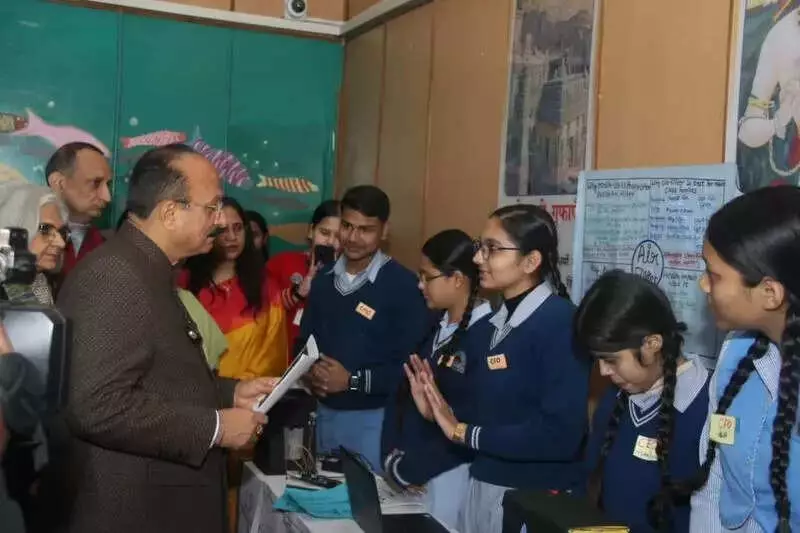
Innovation took center stage at the NEEEV zonal event held on Wednesday at Sarvodaya Kanya Vidyalaya Moti Bagh-I in New Delhi. The showcase, organized by the Directorate of Education across Delhi government schools, demonstrated how classrooms are transforming into incubators of ideas, featuring projects ranging from Avenger-inspired models to combat dust storms to student-led solutions for e-waste, fitness, and sustainable living.
Scale and Scope of the NEEEV Programme
The New Era of Entrepreneurial Ecosystem & Vision (NEEEV) programme has mobilized nearly 25,000 students across 5,000 teams, culminating in 4,829 projects. At the Moti Bagh round, 46 students from different zones presented their prototypes and concepts, offering a glimpse into a generation learning to solve real-world problems through creativity and enterprise.
Diverse Projects Reflecting Local and Global Concerns
The diversity of projects reflected both local concerns and global aspirations. Initiatives included e-waste recycling efforts such as Bond With E-Waste, organic and sustainable food concepts like Grow Organically and Nutrition Freaks, and tech-enabled ideas including AI Fitness Team. Other projects explored affordable filtration systems (Filter), alternative energy and mechanical innovation (Power Engine), creative enterprises (Art and Work), and youth-focused brands such as Gen-Z Clothings.

The projects pointed to strong themes of sustainability, health, circular economy, and practical technology, demonstrating how students are blending social impact with entrepreneurship.
Government Support and Investment in Innovation
Addressing the students, Education Minister Ashish Sood underlined the scale of India's startup journey and Delhi's push to nurture it early. "Earlier, there were only a handful of startups in the country, whereas today more than two lakh startups are actively operating across India," he said.
Reflecting this momentum, the Delhi government invested nearly Rs 10 crore this year under NEEEV, supporting close to 5,000 teams with Rs 20,000 each. "This funding was not given with the expectation that every idea would succeed, but to instil belief in children that their ideas are possible and that government stands firmly with them," Sood explained.
Educational Transformation Beyond Textbooks
Sood highlighted how the programme is reshaping learning beyond textbooks. Around 1.5 lakh students from nearly 1,000 schools worked on more than 30,000 ideas, supported by:
- Weekly NEEEV periods
- Structured innovation councils
- Industry visits
- Specialised workshops
- Over 2,000 dialogue sessions with entrepreneurs
The government is planning scientific validation of promising innovations in collaboration with leading technical institutions, enabling students to refine and strengthen their ideas. "These students, 17-18 years old today, will be Amrit Peedhi that leads the nation when India becomes a developed country in 2047," Sood said.
Programme Background and Future Outlook
Launched last September and aligned with the National Education Policy (NEP) 2020, NEEEV connects over five lakh students to an ecosystem of entrepreneurship. The event underscored a significant shift in educational focus, emphasizing practical problem-solving and innovation as key components of student development.
The NEEEV zonal event not only showcased inventive projects but also reinforced the importance of fostering entrepreneurial mindsets from a young age, positioning Delhi's students at the forefront of India's innovation-driven future.