Schools Nationwide Inaugurate New Academic Year with Spiritual Havan Ceremonies
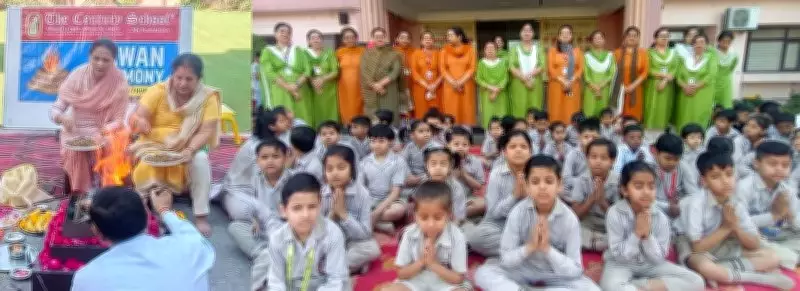
Educational institutions across India have embraced a time-honored tradition to mark the commencement of the new academic session, organizing havan ceremonies that blend spiritual practices with contemporary educational objectives. These events, held in various schools, aim to foster a positive and auspicious start to the academic year, emphasizing holistic development and student well-being.
Reviving Cultural Roots in Modern Education
The havan, a sacred fire ritual rooted in Vedic traditions, involves offerings of ghee, herbs, and grains into a consecrated fire, accompanied by chanting of mantras. Schools have integrated this ceremony into their academic calendars to instill values of discipline, focus, and respect for knowledge among students. By incorporating such cultural elements, educators seek to create a balanced environment that supports both intellectual growth and spiritual grounding.
Key aspects of these ceremonies include:

- Participation of students, teachers, and parents, fostering a sense of community and shared purpose.
- Focus on prayers for academic success, mental clarity, and overall prosperity in the upcoming year.
- Emphasis on environmental consciousness, with many schools using eco-friendly materials in the rituals.
Aligning Tradition with Educational Goals
School authorities report that the havan ceremonies serve as a motivational tool, helping students transition smoothly into the new academic routine. The rituals are often followed by orientation sessions, where teachers outline curriculum expectations and extracurricular opportunities. This combination of spiritual and practical elements is designed to reduce anxiety and build confidence among learners.
Experts in educational psychology note that such traditions can enhance emotional resilience and social cohesion, contributing to a supportive learning atmosphere. As schools navigate the challenges of modern education, including academic pressure and digital distractions, these ceremonies offer a moment of reflection and unity.
The broader impact includes:
- Promoting cultural heritage and national identity among the younger generation.
- Encouraging mindfulness and concentration, which are crucial for academic performance.
- Strengthening the bond between educational institutions and local communities.
Future Outlook and Community Response
Feedback from participants has been overwhelmingly positive, with many parents appreciating the blend of tradition and education. Schools plan to continue this practice annually, potentially expanding it to include workshops on Vedic sciences or yoga sessions to complement the havan. This initiative reflects a growing trend in Indian education to integrate holistic approaches that address the mind, body, and spirit.
In summary, the organization of havan ceremonies at the start of the new academic session highlights a unique fusion of India's rich spiritual legacy with forward-looking educational strategies. By doing so, schools aim to cultivate well-rounded individuals prepared to excel in both their studies and personal lives, setting a positive tone for the year ahead.