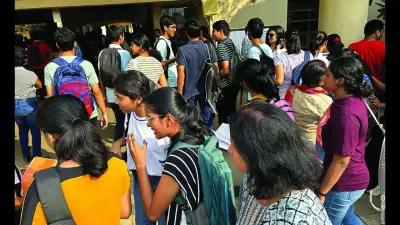
In a decisive move to safeguard its future generations, the Punjab government has rolled out a targeted, school-centric action plan designed to protect young students from the scourge of drug abuse. The initiative, spearheaded by Punjab's Education Minister Harjot Singh Bains, aims to create a robust defense mechanism within the educational ecosystem.
A Multi-Pronged Strategy for Prevention and Awareness
Unveiling the plan, Minister Bains emphasized its comprehensive nature. The strategy is not merely reactive but focuses heavily on prevention, early identification, and sustained awareness. A core component involves integrating structured anti-drug education and counseling sessions directly into the school curriculum and routine.
Schools will become active hubs for this fight. The plan mandates the formation of dedicated committees within each institution. These committees will be responsible for organizing regular workshops, seminars, and interactive sessions featuring experts like psychologists, de-addiction specialists, and law enforcement officials. The goal is to equip students with the knowledge and resilience to say no to drugs.

Empowering Teachers and Engaging Parents
Recognizing that teachers and parents are the first line of defense, the action plan places significant emphasis on their capacity building. Special training programs will be conducted for teachers to help them recognize early warning signs of substance abuse among pupils. They will be trained to approach such situations with sensitivity and to guide students towards professional help confidentially.
Furthermore, the plan strongly advocates for active parental involvement. Schools will initiate regular dialogues with parents through Parent-Teacher Meetings (PTMs) and dedicated sessions to educate them about the dangers of drug abuse, signs to watch for, and the importance of a supportive home environment. The community-centric approach seeks to extend the safety net beyond school walls.
Counseling and Confidential Support Systems
At the heart of the initiative is the establishment of accessible and confidential support for students. The government plans to strengthen counseling facilities within schools and ensure easy access to professional help. The message to students is clear: seeking help is a sign of strength, not weakness.
Minister Bains stressed that the environment should be supportive, not punitive. The focus is on rehabilitation and reintegration. The action plan also outlines protocols for collaboration with external de-addiction centers and healthcare providers to ensure a seamless referral system for students who need specialized intervention.
This school-centric blueprint represents a proactive shift in Punjab's long-standing battle against drugs. By targeting young minds at an impressionable age within the structured setting of schools, the state government aims to build a foundation of awareness and resistance that can protect individuals and communities for years to come. The success of this plan hinges on consistent implementation, collaboration between educators, parents, and health professionals, and creating a sustained dialogue around mental wellness and healthy lifestyle choices among the youth.