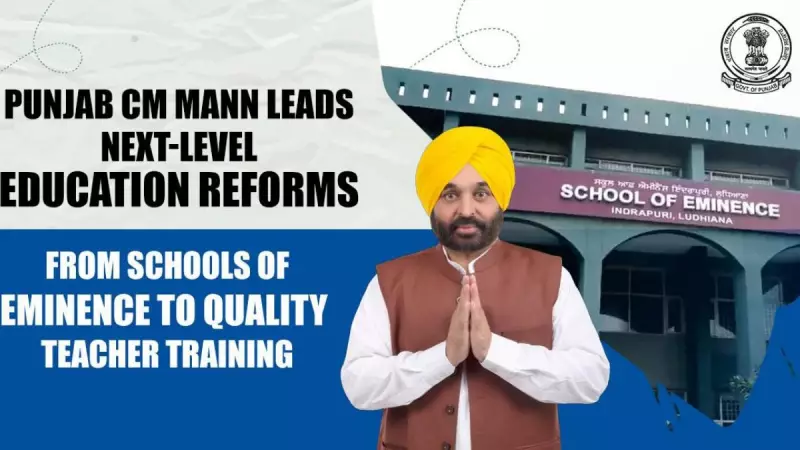
In a significant move aimed at overhauling the educational framework of the state, Punjab Chief Minister Bhagwant Mann has announced a series of comprehensive reforms set to be implemented by 2026. The plan, which was detailed on January 10, 2026, places a strong emphasis on establishing 'Schools of Eminence' and revolutionizing teacher training programs to elevate the quality of education across Punjab.
The Core of the 2026 Reforms: A Dual Focus
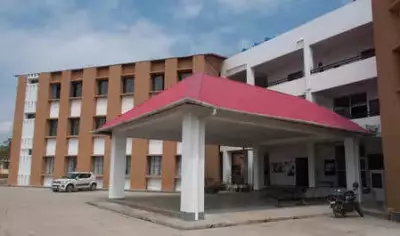
The blueprint for Punjab's educational future rests on two foundational pillars. The first is the ambitious project to develop 'Schools of Eminence.' These institutions are envisioned as model schools that will set new benchmarks in academic excellence, infrastructure, and holistic student development. They are expected to serve as exemplars for other schools in the state, driving a top-down improvement in educational standards.
The second, equally critical pillar is a complete revamp of teacher training mechanisms. Chief Minister Mann stressed that the quality of education is directly linked to the quality of educators. The reforms will introduce rigorous, contemporary, and practical training modules for teachers. The goal is to equip them with modern pedagogical skills and subject expertise, ensuring they are well-prepared to foster a more engaging and effective learning environment for students.

Implementation Timeline and Strategic Vision
The government has set a clear deadline for these transformative changes: the year 2026. This timeline indicates a structured, phased rollout of the various initiatives under the reform umbrella. The announcement signals the state government's commitment to moving beyond incremental changes and instead pursuing a systemic transformation of its school education system.
By focusing on both institutional excellence (through Schools of Eminence) and human resource capacity building (through teacher training), the Mann administration is adopting a holistic strategy. The reforms acknowledge that superior infrastructure alone is insufficient without highly skilled and motivated teachers to utilize those resources effectively.
Potential Impact and the Road Ahead
The successful implementation of these reforms could have far-reaching consequences for Punjab's socio-economic landscape. High-quality schools can improve student learning outcomes, increase enrollment and retention rates, and build a stronger foundation for higher education and skilled employment. Enhanced teacher training is likely to boost the morale and professional standing of educators, potentially making the teaching profession more attractive.
However, the real test will lie in the execution details, funding allocation, and consistent monitoring. The plan will require significant investment and meticulous administrative coordination across the state. If carried out effectively, Punjab's 2026 education reforms could serve as a replicable model for other states in India, showcasing how focused policy interventions can revitalize a public education system.
Chief Minister Bhagwant Mann's announcement has set a definitive direction for the state's education sector. The coming years will be crucial as the government works to translate this vision of 'next-level education reforms' into tangible reality for the students, teachers, and parents of Punjab.