Punjab Teachers Voice Strong Opposition to Government Directive on School Computers
In a move that has sparked significant controversy across the educational sector, teachers in Punjab are expressing vehement opposition to a recent government order. The directive mandates that schools across the state must surrender their existing computer systems to support the implementation of the Sarbat Sehat Bima Yojana, a flagship health insurance scheme. This decision has raised serious concerns among educators, who argue that it will severely undermine digital learning initiatives and compromise the quality of education for students.
Impact on Digital Education Infrastructure
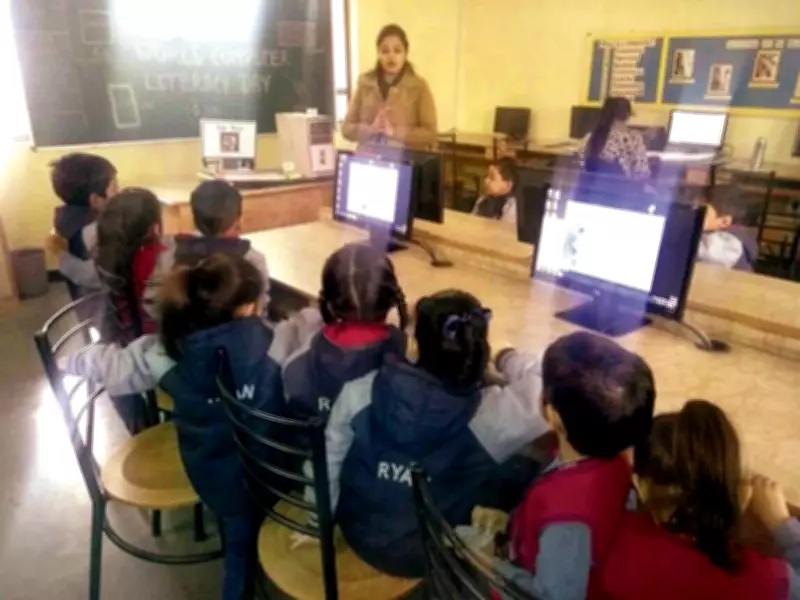
The order, issued by the Punjab government, requires schools to free up their computer resources to facilitate the health plan's administrative and operational needs. Teachers have highlighted that this move comes at a critical time when digital literacy and computer-based learning are becoming increasingly essential in the modern educational landscape. Many schools, particularly in rural areas, have invested considerable effort and limited resources to set up basic computer labs, and the sudden removal of these assets is seen as a major setback.
Educators fear that this decision will disrupt ongoing digital education programs, including online classes, computer-aided learning modules, and administrative tasks that rely on technology. The lack of computers could force schools to revert to traditional teaching methods, potentially widening the digital divide between urban and rural students. Teachers' associations have pointed out that this contradicts previous government initiatives aimed at promoting STEM education and digital empowerment in schools.
Teachers' Demands and Government's Rationale
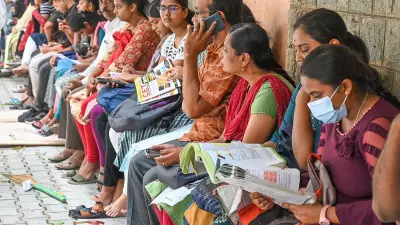
Teachers across Punjab have organized protests and submitted memorandums to district education officers, demanding the immediate withdrawal of the order. They argue that while the health insurance scheme is important for public welfare, it should not come at the expense of educational infrastructure. Key demands include:
- Provision of alternative arrangements for the health plan without disrupting school resources.
- Assurance that computer labs will be restored or compensated with new equipment.
- Transparency in how the surrendered computers will be utilized for the health scheme.
On the other hand, government officials have defended the decision, stating that the Sarbat Sehat Bima Yojana aims to provide comprehensive health coverage to millions of beneficiaries, and the temporary use of school computers is necessary for data processing and enrollment activities. They emphasize that this is a short-term measure to ensure the successful rollout of the health plan, which is a priority for improving healthcare access in the state.
Broader Implications for Education and Health Policies
This conflict highlights a broader tension between competing public policy goals in Punjab. While the health insurance scheme is designed to address critical healthcare needs, especially for underprivileged communities, the method of implementation has inadvertently created friction with the education sector. Experts suggest that better coordination between government departments could have prevented such a scenario, ensuring that both health and education initiatives are supported without mutual detriment.
The situation has also sparked discussions about resource allocation in government schemes. Teachers and education advocates are calling for a more sustainable approach, where infrastructure for one public service is not cannibalized to support another. They urge the government to explore alternative solutions, such as leasing additional equipment or utilizing existing government offices, to avoid compromising the educational environment.
As the debate continues, the outcome of this issue will likely influence future policy decisions in Punjab, balancing the urgent needs of healthcare with the long-term goals of educational development. The teachers' protests underscore the importance of inclusive planning and stakeholder consultation in governance, ensuring that vital sectors like education are not sidelined in the pursuit of other public welfare objectives.