Punjab Education Department Imposes Undertaking for Border Area Teachers to Receive Extra Increment
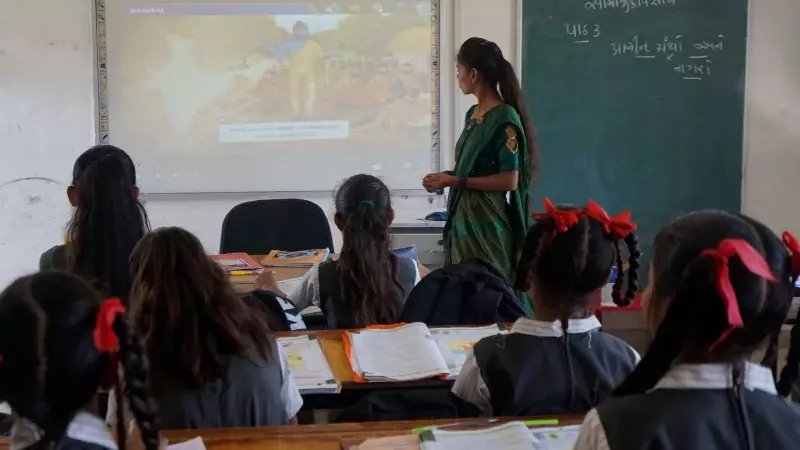
The Punjab education department has issued a directive requiring teachers serving in border areas to submit a formal undertaking if they wish to avail an additional increment. This move comes as schools in border districts such as Gurdaspur, Amritsar, Tarn Taran, Ferozepur, and Fazilka continue to grapple with a severe shortage of teaching staff.
Details of the Undertaking and Its Implications
According to a letter dated January 20 from the director of school education, teachers must sign an undertaking stating, "I have decided to serve in border areas for my entire service period." The document further specifies that if a teacher moves from a border to a non-border area, they will not be eligible for any extra increment. Additionally, if a teacher relocates after availing the increment, they must return the amount with interest and agree not to pursue legal action.
The decision to offer a bonus increment was made in response to multiple litigations filed in court, highlighting the ongoing challenges in staffing border schools. The lack of basic amenities has made these postings unattractive to educators, exacerbating the teacher shortage crisis.

Criticism from Teacher Unions and Advocacy Groups
The Democratic Teachers Front (DTF) has strongly criticized the Punjab government's approach, labeling the conditions as unreasonable and unnecessary. In a statement, the DTF argued that the requirement for teachers to commit their entire service to border areas and repay increments with interest if they leave is overly harsh. They emphasized that border communities already face significant hardships in accessing education and healthcare, and this policy could further alienate teachers.
Vikramdev Singh, the DTF Punjab state president, expressed concern that the government's actions are akin to treating teachers as "bonded laborers." He pointed out that while a separate cadre for border area schools has been created, the government has failed to establish a conducive working environment. Singh warned that such measures are unlikely to bring about any meaningful improvement in the quality of education in these regions.
Jarmanjit Singh, state president of the Democratic Employees Federation, echoed these sentiments, calling for better infrastructure and support systems. He suggested developing "Teacher Homes" similar to police lines to provide accommodation for educators in border areas. According to him, imposing stringent conditions for a single increment only serves to harass teachers rather than address the root causes of the shortage.
Broader Context and Future Outlook
The ongoing teacher shortage in Punjab's border districts underscores deeper systemic issues within the education sector. The government's latest policy aims to incentivize long-term service, but critics argue that it fails to tackle the fundamental problems of inadequate facilities and poor working conditions. As debates continue, the focus remains on finding sustainable solutions to ensure quality education for students in these underserved areas.