Punjab MP Advocates for Mandatory Environmental Education in Schools
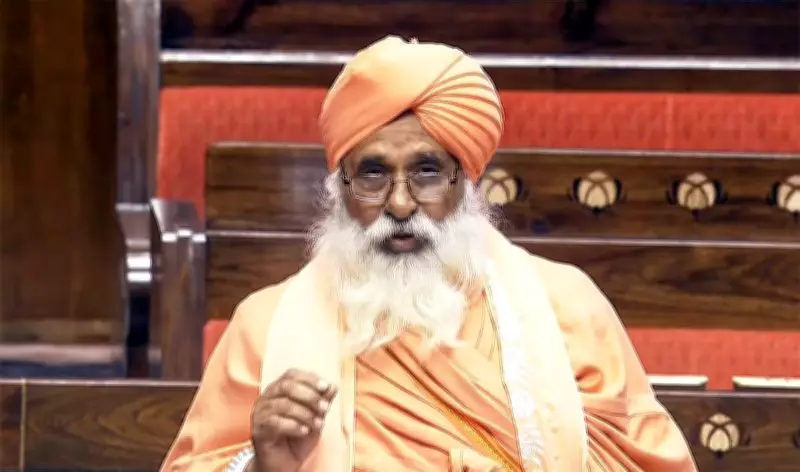
In a significant move to address the growing ecological challenges in Punjab, Rajya Sabha MP Balbir Singh Seechewal has called for making environmental studies a compulsory subject in schools across the state. This proposal aims to instill environmental awareness and responsibility among young students from an early age.
Addressing Punjab's Environmental Crisis
Seechewal, a prominent environmentalist and social activist, emphasized the urgent need for this educational reform in light of Punjab's severe environmental issues. The state faces critical problems such as air and water pollution, soil degradation, and declining groundwater levels, which threaten public health and agricultural sustainability.
By integrating environmental studies into the core curriculum, Seechewal believes that students will develop a deeper understanding of ecological systems and the human impact on nature. This knowledge is crucial for fostering a generation that values and protects the environment.
Long-Term Benefits of Environmental Literacy
The MP highlighted several long-term benefits of making environmental studies compulsory:
- Enhanced awareness about local and global environmental issues among youth.
- Development of sustainable practices and conservation habits from a young age.
- Empowerment of students to become advocates for environmental protection in their communities.
- Potential reduction in pollution and resource depletion through informed citizen action.
Seechewal pointed out that current educational frameworks often treat environmental topics as optional or peripheral, which limits their impact. Making it a mandatory subject would ensure that every student receives comprehensive training in environmental science, policy, and ethics.
Support and Implementation Challenges
While the proposal has garnered support from environmental groups and educators, it also faces implementation challenges. These include curriculum development, teacher training, and resource allocation. Seechewal urged the Punjab government and educational authorities to prioritize this initiative, suggesting collaborations with environmental organizations to design effective teaching materials.
The MP's advocacy aligns with broader national and global efforts to promote environmental education, as seen in initiatives like the National Education Policy 2020, which emphasizes holistic and experiential learning. In Punjab, this move could complement existing environmental restoration projects, such as river cleaning campaigns led by Seechewal himself.
By making environmental studies compulsory, Punjab could set a precedent for other Indian states grappling with similar ecological crises, ultimately contributing to a more sustainable and environmentally conscious society.