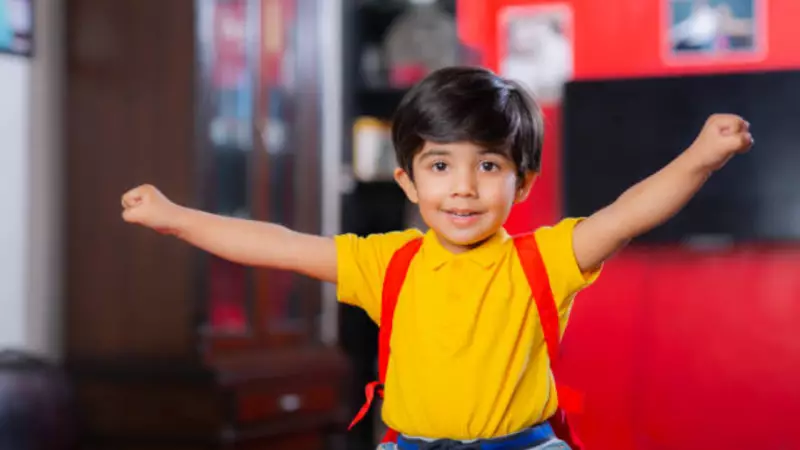
When Indian parents discuss preschool readiness, the focus often lands squarely on academic milestones. Can the child recite the alphabet? Count to twenty? Name shapes and colours? While these skills have their place, they represent only a fraction of what genuinely equips a young child to step into a preschool environment with steadiness and self-assurance.
The Real Foundation: Confidence and Emotional Intelligence
True confidence for a preschooler begins long before they enter a classroom, and it isn't forged through flashcards. It is built in everyday moments where a child is allowed to attempt, struggle, and eventually succeed. Letting them put on their own shoes, despite the time it takes, or encouraging them to speak for themselves at a shop counter, sends a powerful message: "You are capable." This internal belief becomes their anchor in a room full of unfamiliar faces.
Furthermore, preschool teachers do not expect perfectly behaved robots. They anticipate big, messy feelings. The crucial preparation lies not in suppressing these emotions but in helping a child recognise and navigate them. A child who can say "I am feeling angry" instead of hitting, or who knows to take a deep breath when overwhelmed, is far better prepared. These skills grow through consistent, gentle conversations—naming emotions during storytime or acknowledging feelings in real-time moments without rushing to fix them.

Social Skills and Independence: The Unwritten Curriculum
Core social abilities like sharing, taking turns, and listening are not innate; they are learned. Preschool is the practice ground, not a stage where mastery is expected. However, children who have had prior opportunities for social interaction—through playdates, family gatherings, or even observing peers at the park—tend to adapt more quickly. They begin the essential lesson that other people have wants and needs too.
Equally vital is fostering age-appropriate independence. Preschool demands a lot: hanging up a bag, following a simple routine, cleaning up, or asking for help. Practising these skills at home—by letting a child pour their own water, choose clothes, or tidy toys—builds a trust in their own abilities. When a child feels capable, they approach new challenges with significantly less fear.
Cultivating Curiosity and the Safety of Routine
Arriving at preschool with all the answers is far less important than arriving with curiosity. A child's desire to explore, ask questions, and engage with the world is the true fuel for learning. This is nurtured by reading together, discussing everyday wonders like changing clouds, and embracing the endless "whys," even when parents don't have perfect answers. Preschool builds upon this natural curiosity; it doesn't create it from nothing.
Finally, a predictable routine provides a profound sense of security for a young mind. The rhythmic flow of a preschool day—snack, play, story, rest—is less jarring for children accustomed to patterns at home. This doesn't mean a rigid schedule, but simple, reliable rituals around bedtime and mornings. When a child knows what to expect, their brain can relax, making them more receptive to learning and new experiences.
In essence, preparing a child for preschool is about preparing them for life beyond the family. It is one of their first steps into a community not centred solely on them, where they learn to coexist, wait, and listen. While singing alphabet songs and counting are enjoyable activities, the core preparation happens through talking, listening, and allowing your child to be a complete human with a full range of emotions and capabilities. The goal is not just academic readiness, but helping them feel ready for the wider world.