Pariksha Pe Charcha 2026: India's Annual Exam Stress Buster Event Tomorrow
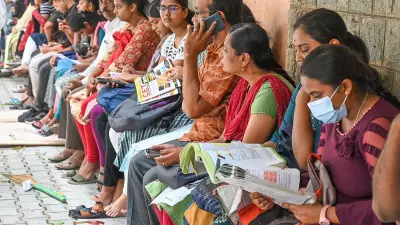
Tomorrow morning, classrooms across India will experience a unique pause — not for examinations, but for an empowering conversation. From educational institutions in every State and Union Territory, students, teachers, and parents will collectively tune in to Pariksha Pe Charcha (PPC) 2026, the annual interaction that has quietly transformed into one of the nation's most significant exam stress relief initiatives.
One Anthem, Multiple Languages, Unified Message
This year's edition brings a special linguistic celebration with the Pariksha Pe Charcha anthem released in 10 Bhartiya Bhasha, beautifully honoring India's rich multilingual heritage. The core message remains both simple and profoundly impactful: "no matter where you study or what language you speak, the essential truth remains unchanged: examinations should empower rather than overwhelm."
The anthem creatively celebrates linguistic diversity while reminding young learners that confidence, positivity, and calmness are universal qualities — just as the academic pressure they experience is a shared reality. PPC acknowledges this pressure authentically and provides practical strategies to help students navigate through it with resilience.
Why Students Eagerly Await This Annual Conversation
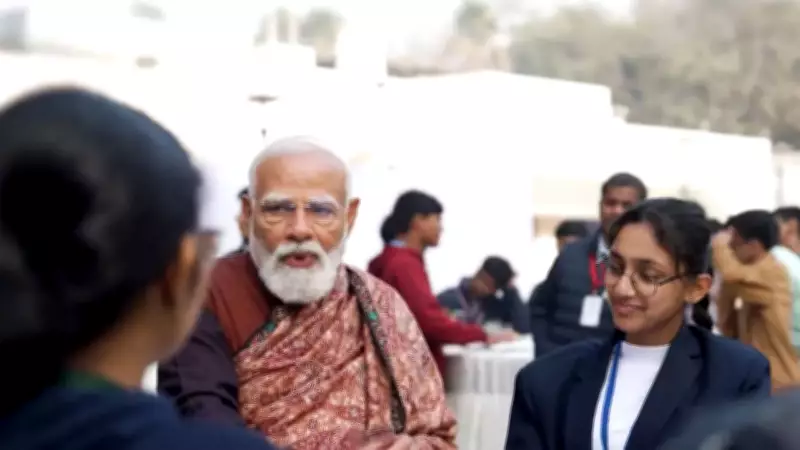
When asked about examination seasons, students consistently describe feelings of fear, expectations, and comparison. Pariksha Pe Charcha enters precisely at this vulnerable moment. Drawing inspiration from Prime Minister Narendra Modi's book "Exam Warriors," the interaction encourages students to perceive exams as developmental milestones rather than final verdicts.
Success, as PPC repeatedly emphasizes to young minds, encompasses growth, curiosity, and balance — extending far beyond mere report card numbers. Perhaps the most reassuring aspect for students is hearing directly from the Prime Minister that experiencing nervousness is completely normal, and that such emotions do not determine their future trajectories.
Inclusive Approach: Engaging Parents and Teachers
One of Pariksha Pe Charcha's greatest strengths lies in its inclusive nature — it doesn't exclude parents and teachers from this crucial dialogue. Prime Minister Narendra Modi specifically addresses these stakeholders, offering gentle guidance about how supportive approaches consistently prove more effective than pressure-driven methods.
The message resonates clearly: a composed parent and an encouraging teacher can significantly reduce the perceived scariness of examinations, creating healthier learning environments.
A Continuously Expanding Educational Movement
Pariksha Pe Charcha has evolved beyond an annual program into a genuine nationwide educational movement. In 2025, PPC achieved recognition in the Guinness World Records with an astounding 3.53 crore registrations, demonstrating its profound impact on Indian families.
This year's participation statistics are truly remarkable:
- Total participants: 4,50,13,379
- Students: 4,19,14,056
- Teachers: 24,84,259
- Parents: 6,15,064
Behind these impressive numbers exist millions of young individuals awaiting reassurance, guidance, and the comforting reminder that they are progressing adequately in their educational journeys.
Broadcast Details and Viewing Information
Pariksha Pe Charcha 2026 will be telecast with the following schedule:
- Date: February 6, 2026
- Time: 10:00 am
- Platforms: Narendra Modi YouTube channel and Doordarshan
Beyond Examinations: Fostering Lasting Confidence
As examination seasons intensify nationwide, PPC 2026 arrives at the perfect moment to remind everyone that while academic results hold importance, mindset development matters even more. By maintaining balanced perspectives on examinations and spreading genuine joy in learning, Pariksha Pe Charcha is fundamentally transforming how India communicates with its student community — through empathy, hope, and trust.
Tomorrow's event transcends questions on examination papers. It addresses a far more significant question: How can we collectively help students cultivate genuine self-belief?