Odisha Sees Steady Rise in Girls' Secondary School Enrolment, But Dropout Challenge Persists
Government data reveals a significant trend in Odisha's education sector: while the state has achieved a consistent increase in the gross enrolment ratio (GER) of girls at the secondary level over the past three academic years, it continues to grapple with a high dropout rate that remains above the national average.
Enrolment Gains Outpace National Figures
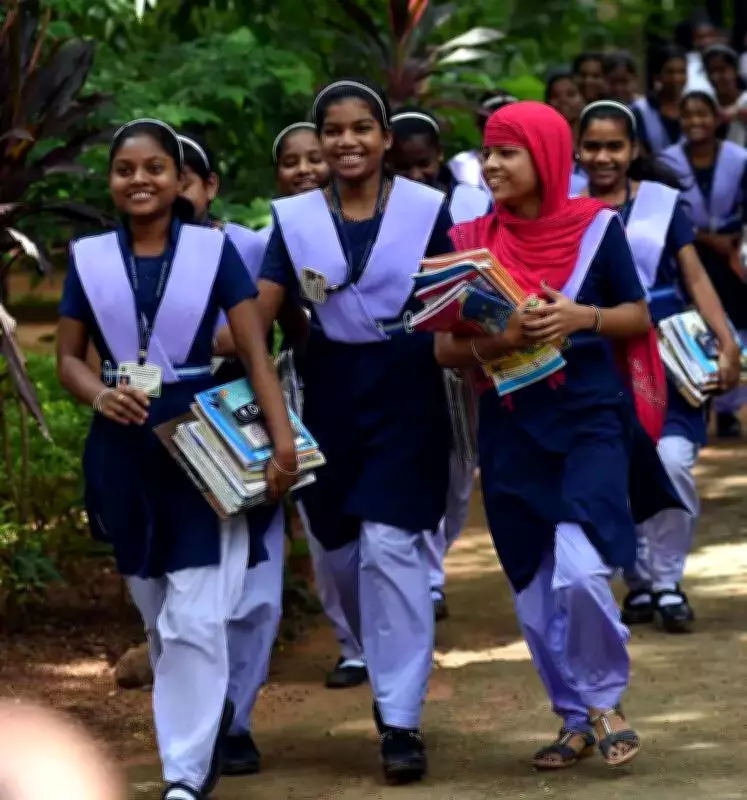
In response to a parliamentary query from MP Sumitra Balmik regarding the GER of girls and OBC students, Minister of State for Education Jayant Chaudhary presented detailed figures in the Rajya Sabha. The data shows that Odisha's GER for girls at the secondary level has climbed steadily from 80.8% in 2022-23 to 82.6% in 2023-24, and further to an impressive 85% in the 2024-25 academic year.
This upward trajectory surpasses the national average, which stood at 80.2% in 2024-25 after experiencing fluctuations during the same period. Officials attribute this positive development to targeted government interventions, including scholarship programs, the provision of free bicycles, and enhanced hostel facilities specifically for tribal girls.
Rajalaxmi Behera, a school official in Khurda district, noted a cultural shift, stating, "There is greater awareness now about girls' education, and parents are more willing to ensure their daughters complete matriculation compared to a decade ago."
Persistent Dropout Rate Remains a Concern
Despite these enrolment gains, the dropout rate presents a formidable challenge. According to the data tabled by Minister Chaudhary, Odisha's dropout rate for girls at the secondary level showed initial improvement, falling from 16.1% in 2022-23 to 11.3% in 2023-24. However, it rose again to 12.6% in 2024-25, indicating that increased enrolment has not translated into sustained retention of students.
This figure of 12.6% is notably higher than the national dropout rate of 9.6% for the same period. RTE activist Anil Pradhan identified several key factors contributing to this issue, including seasonal migration, early marriage, and domestic responsibilities.
"Many girls drop out before or after Class IX due to seasonal migration," Pradhan explained. "In several cases, they are burdened with caring for younger siblings or household work while parents are away."
Comparative State Performance and Remedial Measures
In contrast to Odisha's struggles, other states have made remarkable progress in reducing dropout rates. Bihar achieved a dramatic reduction, bringing its secondary level dropout rate down from 25.1% in 2023-24 to just 6.8% in 2024-25. Similarly, Jharkhand successfully lowered its rate from 15.1% to 2.4% during the same period.
Officials from Odisha's directorate of secondary education have indicated that steps are being taken to address the issue, including re-enrolment drives and promoting open schooling options to bring dropouts back into the education system.
However, education experts emphasize that stronger community engagement is crucial to prevent girls from leaving school prematurely. They argue that while government schemes provide necessary support, changing societal attitudes and addressing root causes like migration and gender roles require concerted efforts at the grassroots level.
The data underscores a dual reality for Odisha's education system: commendable progress in getting more girls into secondary schools, but an ongoing battle to keep them there until completion. As the state celebrates its enrolment achievements, the focus must now shift to implementing more effective retention strategies that address the complex socio-economic factors driving the dropout rate.