Meghalaya Board Postpones Class 12 Exams in Violence-Hit West Garo Hills
The Meghalaya Board of School Education (MBOSE) has officially announced the postponement of the Class 12 board examinations in the West Garo Hills district. This decision comes in response to escalating violence and unrest in the region, which has raised significant safety concerns for students, teachers, and examination staff. The board emphasized that the primary objective is to ensure the well-being and security of all individuals involved in the examination process, while maintaining the integrity of the academic assessments.
Impact on Students and Examination Schedule
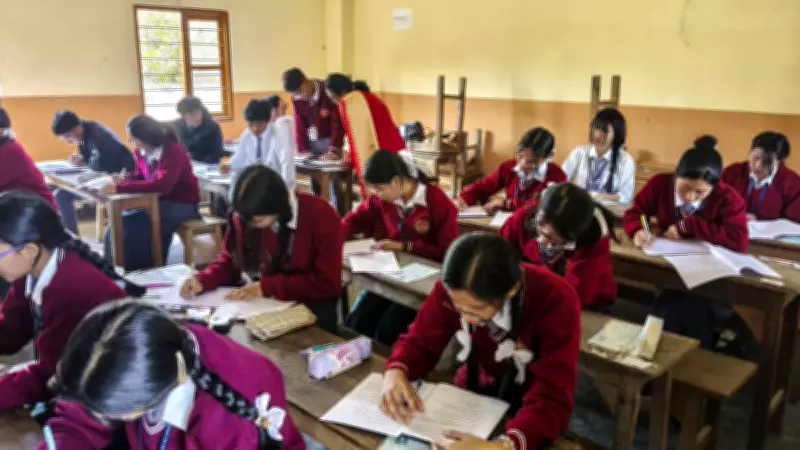
The postponement affects a substantial number of students who were scheduled to appear for their higher secondary examinations. The MBOSE has assured that new dates for the exams will be communicated promptly once the situation stabilizes, allowing adequate preparation time. In the interim, the board is working closely with local authorities and educational institutions to monitor developments and implement contingency plans. This includes potential adjustments to the overall academic calendar to minimize disruption to the academic year.
Safety Measures and Community Response
Authorities have highlighted that the decision was made after thorough consultations with law enforcement agencies and community leaders. The violence in West Garo Hills has been attributed to various socio-political tensions, prompting calls for enhanced security measures. The MBOSE has urged students and parents to remain calm and stay updated through official channels. Additionally, the board is exploring alternative arrangements, such as secure examination centers in neighboring districts, if the unrest persists, to ensure that students can complete their assessments without further delays.

Broader Implications for Education in Meghalaya
This incident underscores the challenges faced by educational boards in conflict-prone areas, where external factors can severely impact academic schedules. The MBOSE's proactive approach aims to set a precedent for handling such crises, prioritizing student safety over rigid timelines. Experts suggest that this move could lead to improved protocols for emergency situations in the future, potentially involving digital solutions or decentralized examination systems. The board has also committed to providing counseling and support services for affected students to mitigate stress and anxiety during this uncertain period.