Mangaluru Schoolchildren Voice Critical Safety Concerns at Child Rights Grievance Session
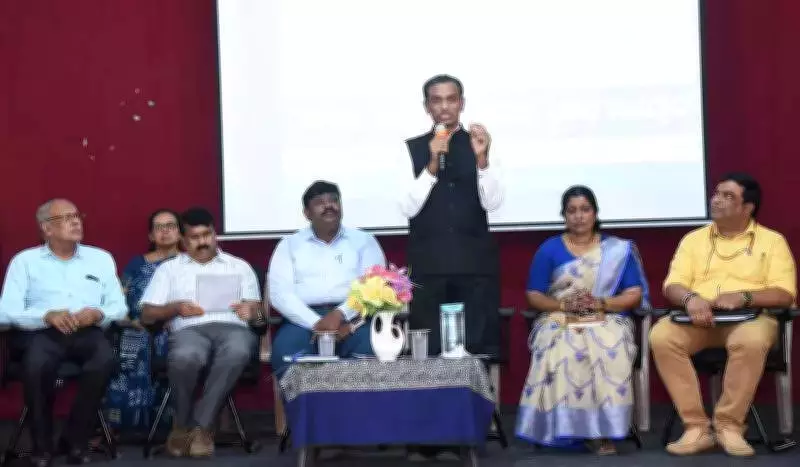
In a significant gathering at Sri Ramakrishna School, Bunts Hostel, Mangaluru, students from various educational institutions presented a comprehensive list of safety grievances to Karnataka State Commission for Protection of Child Rights (KSCPCR) member KT Thippeswamy. The Monday meeting, organized collaboratively by the commission, Directorate of Child Rights Protection, district administration, zilla panchayat, and multiple government departments, focused specifically on the implementation of the Right to Education (RTE) Act and revealed pressing concerns affecting children's daily lives.
Transportation Hazards and Infrastructure Deficiencies
Students articulated multiple transportation-related dangers, with particular emphasis on private bus operations. "While many private bus drivers rashly drive vehicles, children are made to travel on footboards in the city," reported one private school student, highlighting the alarming risk of accidents. Additional complaints included private buses operating without proper doors and consistently carrying excessive passenger loads during peak hours, compromising both safety and comfort.
Another significant issue raised was the acute shortage of Karnataka State Road Transport Corporation (KSRTC) buses connecting remote areas to the city, forcing reliance on potentially unsafe private alternatives. In response, Thippeswamy directed officials to draft immediate resolutions recommending strict action against private buses violating regulations. He further disclosed that the commission has formally written to the transport department principal secretary advocating for a comprehensive child-friendly transport system statewide.
Broader Safety and Environmental Concerns
Beyond transportation, children identified numerous other hazards in their school environments. These included the absence of traffic police and zebra crossings near educational institutions, persistent threats from street dogs and intoxicated individuals loitering nearby, significant noise pollution, and the troubling sale of tobacco products in proximity to schools. Each concern underscores systemic gaps in child protection measures within urban settings.
Thippeswamy confirmed that all state-level issues emerging from such grievance meetings would be compiled and forwarded to the government with formal recommendations for policy intervention and implementation.
Innovative Police Engagement Initiative
In a groundbreaking announcement, Thippeswamy revealed plans for a unique program designed to foster positive relationships between children and law enforcement. Karnataka is poised to become the first state in India to implement mandatory annual school visits to local police stations. This initiative, developed jointly by the education and police departments, aims to build trust and familiarity between young citizens and police personnel.
Discussions with police authorities are currently underway, with an official circular mandating these visits expected shortly. Under this program, schools will organize batch visits where students can interact productively with officers, learn about Special Juvenile Police Units and Child Welfare Police Officers, and obtain essential contact information. This proactive approach seeks to demystify law enforcement and enhance children's awareness of protective resources available to them.
The Mangaluru meeting exemplifies the critical role of structured grievance mechanisms in amplifying children's voices and driving tangible improvements in their safety and well-being across Karnataka.