Mangaluru School Earns National Recognition in Cleanliness and Green Initiatives
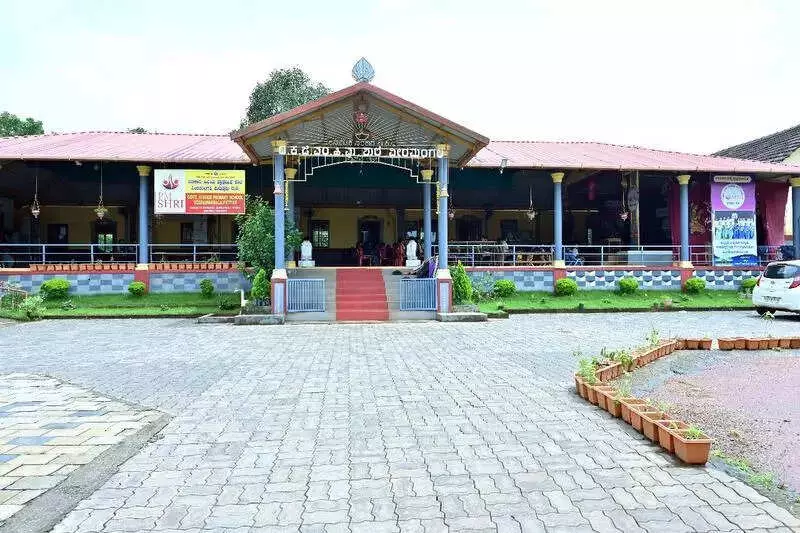
In a significant achievement for Karnataka's education sector, the DK ZP Govt Higher Primary School (PMSHRI) located in Veeramangala, Puttur, has been selected for national-level evaluation under the prestigious Swachh Evam Harit Vidyalaya Rating (SHVR) for the 2025–26 academic year. This recognition comes after the institution earned an impressive five-star rating for its exceptional standards in cleanliness and greenery, successfully advancing from the state-level competition.
State-Level Excellence Leads to National Opportunity
The Veeramangala PMSHRI School stood out as one of only three institutions in the entire Dakshina Kannada district to receive the coveted five-star rating, which subsequently qualified them for state-level selection. Senior officials from the department of school education conducted thorough inspections at the state level, meticulously assessing multiple parameters including:
- The overall school environment and campus maintenance
- Cleanliness standards throughout the premises
- Eco-club activities and environmental initiatives
- Solar power facilities and renewable energy usage
- Drinking water arrangements and accessibility
- Toilet maintenance and hygiene practices
Following this comprehensive evaluation, only 20 schools from across Karnataka were chosen to proceed to the national level, with the rural Veeramangala PMSHRI School making the prestigious cut.

Rural School Setting New Standards in Sustainable Education
Tharanath PS, the headmaster of Veeramangala PMSHRI School, shared insights about the institution's journey and practices. The school, situated in a rural area with 162 students, has implemented exemplary green initiatives and sustainable practices that have set it apart from other institutions.
The school's notable achievements include:
- Complete utilization of solar power for energy needs
- Implementation of best hygienic practices throughout the campus
- Maintenance of excellent washroom facilities
- Development of a campus that is not only clean but also richly green
"Considering all these parameters, we were selected from Dakshina Kannada and selected for national-level evaluation," explained Tharanath, highlighting how their comprehensive approach to sustainability and cleanliness earned them this recognition.
National-Level Prospects and Previous Accolades
The national-level evaluation presents significant opportunities for the selected schools. At the national level, 200 schools are set to be chosen for various rewards including:
- A cash prize of Rs 1 lakh
- A prestigious national award
- Experiential visit programs to different states
Tharanath elaborated on the experiential visit component, noting that it includes visits to other schools selected at the national level, creating valuable opportunities for cross-learning and sharing best practices. The results of the national evaluation are expected to be announced in February.
This is not the first recognition for Veeramangala PMSHRI School. Earlier, the institution received a cash prize from Samagra Shiksha Karnataka as recognition for being the best School Development and Monitoring Committee (SDMC) and was noted as an excellent PMSHRI School at the national level.
Broader Representation from Karnataka
The Veeramangala PMSHRI School is not alone in representing Karnataka at the national level. In the neighboring Udupi district, the Government Lower Primary School in Mulkadu-Yellare has also been selected for national evaluation. This school, situated in the rural area of Karkala, has been operational since 1959, demonstrating that institutions with long-standing histories can also achieve contemporary excellence in environmental and cleanliness standards.
The selection of these schools for national evaluation underscores Karnataka's commitment to promoting sustainable practices and cleanliness standards in educational institutions, particularly in rural areas where such initiatives can have transformative impacts on both education quality and community development.