Malerkotla Residents and Teachers Voice Anger Over Census Duty Assignments
In the town of Malerkotla, Punjab, a wave of frustration has erupted among residents and the teaching community. The cause? The recent assignment of census duties to local teachers, which has coincided with the peak season for school admissions. This timing has sparked significant concern, as it threatens to derail the smooth processing of admissions for countless students.
Disruption to the Admission Process
The core of the issue lies in the critical overlap between the census work and the admission period. Teachers, who are traditionally pivotal in managing and facilitating school admissions, are now being pulled away from their primary responsibilities. This has led to noticeable delays and administrative bottlenecks. Parents, already anxious about securing spots for their children, are facing extended waiting times and uncertainty.
Local residents have expressed their dismay, highlighting how the diversion of teachers is impacting the efficiency of schools. "Admissions are a time-sensitive matter," one parent remarked. "With teachers occupied elsewhere, the entire process is slowing down, causing unnecessary stress for families."

Teachers' Perspective and Broader Implications
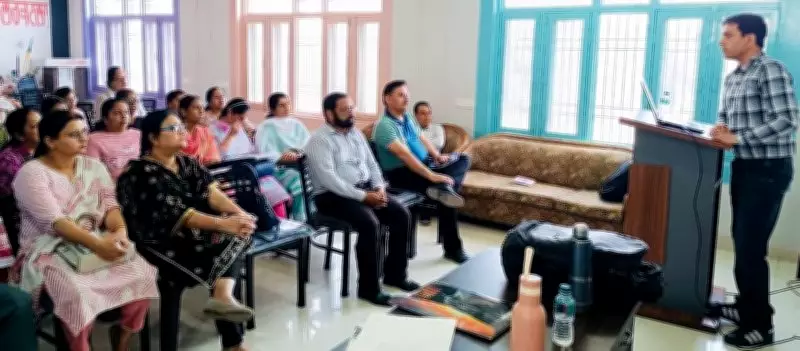
From the educators' standpoint, the assignment to census duty is seen as an additional burden that detracts from their educational roles. Many argue that their expertise is better utilized in the classroom, especially during such a crucial period. The protest underscores a broader tension between governmental administrative tasks and the core functions of the education system.
The situation in Malerkotla reflects a larger issue within Punjab's education sector, where resource allocation and prioritization are under scrutiny. As teachers rally against the census duties, calls for a more streamlined approach that does not compromise academic activities are growing louder.
This incident serves as a reminder of the delicate balance required in public service assignments, ensuring that essential services like education are not undermined by other administrative demands.