In a significant move aimed at transforming the learning environment, the Kerala government has approved a set of educational reforms focused on student well-being and inclusivity. The state's General Education Department has given the green light to measures designed to reduce the weight of school bags and abolish the traditional concept of 'backbenchers' in classrooms.
Two-Pronged Approach for Qualitative Change
Announcing the decisions on Thursday, January 9, 2026, Kerala's General Education and Labour Minister, V Sivankutty, stated that these reforms are intended to bring qualitative changes to the state's general education sector. The proposals, which were discussed and approved by the State Curriculum Steering Committee, stem from a detailed study conducted by the State Council of Educational Research and Training (SCERT).
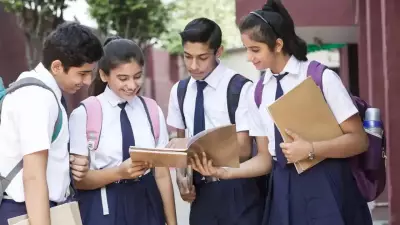
The first major reform targets the physical burden on students. "We want to make the schools more child-friendly and democratic. Accordingly, there is a recommendation to reduce the weight of the schoolbags," Minister Sivankutty explained. He added that steps would be taken to scientifically reduce the weight after considering the physical fitness of the students.

The second, more symbolic reform seeks to democratise the classroom space. "Back benches in classrooms will be abolished to ensure that all students get equal attention and there is a democratic academic atmosphere in the classes," the Minister said. This will necessitate a complete overhaul of traditional seating arrangements.
Path to Implementation and Public Consultation
The draft report containing these proposals has now been opened for public consultation until January 20. It is available on the SCERT website, inviting suggestions from teachers, parents, students, and the general public. This step is seen as crucial for ensuring broader social participation in the education process.
After reviewing the feedback, the General Education Department plans to implement these changes from the start of the next academic year. The minister expressed confidence that these initiatives would foster a more inclusive and engaging learning environment.
Inspired by Cinema: The 'Horseshoe' Classroom
Interestingly, the shift away from rows of benches has already begun in some schools. A few institutions in districts like Kannur, Thrissur, and Kollam have adopted a 'horseshoe' or semi-circular seating arrangement. In this layout, students sit around the perimeter of the classroom, facing each other, with the teacher moving in the centre.
This model facilitates face-to-face interaction among all students and with the teacher, breaking the hierarchical front-of-class dynamic. Reports suggest this innovative arrangement draws inspiration from the 2024 Malayalam film 'Sthanarthi Sreekuttan', where the protagonist, a backbencher, revolts against traditional seating, culminating in a shift to a U-shaped classroom.
The Kerala government's twin reforms represent a conscious move towards prioritising student health and creating egalitarian learning spaces. By addressing both the physical load children carry and the psychological impact of classroom hierarchy, the state aims to set a new benchmark for child-centric education in India.