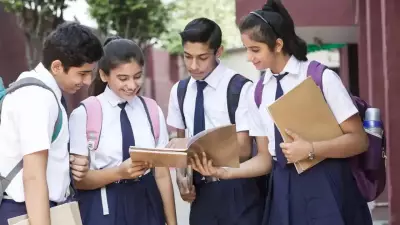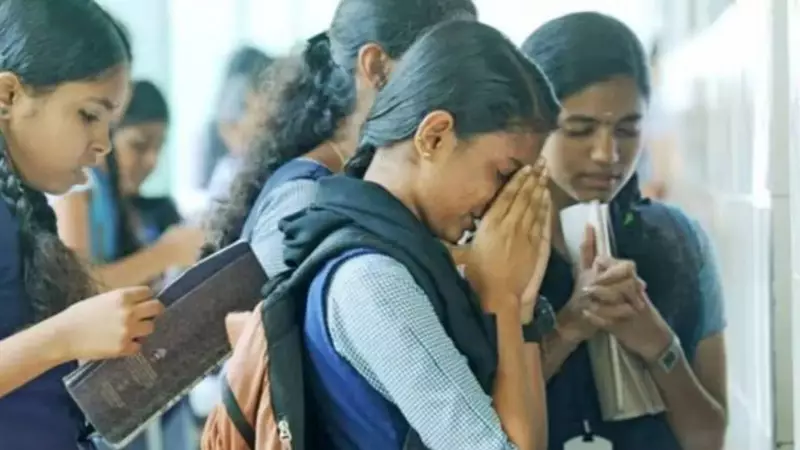
In a landmark move aimed at fostering a more democratic and child-friendly learning environment, the Kerala Education Department has announced sweeping changes to classroom structure and student burdens. From the next academic year starting June 2026, the traditional row-based seating layout will be abolished, eliminating the concept of 'backbenchers,' and concerted measures will be implemented to reduce the weight of schoolbags.
Democratic Classrooms and Lighter Loads
State Education Minister V. Sivankutty declared that the state's Curriculum Steering Committee has ratified a draft report from the State Council of Educational Research and Training (SCERT) proposing these twin initiatives. The goal is to ensure all students receive equal attention from teachers and to create a more participatory academic atmosphere.
"We want to make the schools more child-friendly and democratic," Sivankutty stated. He explained that seating arrangements will be fundamentally altered to remove back benches. Simultaneously, the weight of schoolbags will be addressed through a scientific approach that considers students' physical fitness.

From Silver Screen to Classroom: The Horseshoe Model
This policy shift finds its roots in practical experiments already underway in several schools across the state. Inspired by the 2024 Malayalam film 'Sthanarthi Sreekuttan,' directed by Vinesh Viswanathan, some institutions in districts like Kannur, Thrissur, and Kollam have adopted a 'horseshoe' or semi-circular seating arrangement.
In this layout, students sit around the perimeter of the classroom, facing each other, with the teacher moving in the centre. This facilitates face-to-face interaction with every pupil, dismantling the hierarchy inherent in the traditional row system. The film's climax, which features a similar U-shaped arrangement replacing rows, sparked discussions among educators.
RCC Lower Primary School at East Mangad in Thrissur was among the pioneers. Headmistress Liji C R noted that informal talks about improving learning standards led teachers to recall the film and their own experiences as backbenchers. This prompted the school to abolish the backbench system for Class 1 students by arranging seats in a U-shape.
Implementation and Public Consultation
Minister Sivankutty confirmed that both recommendations are slated for implementation from June 2026. Before finalisation, the SCERT's draft recommendations will be made public to solicit feedback from all stakeholders, including parents, teachers, and educational experts. These opinions will be duly considered in shaping the final policy.
This comprehensive reform underscores Kerala's continued focus on innovative and equitable education. By physically reshaping classrooms and alleviating the physical strain on children, the state aims to build a more inclusive and engaging educational ecosystem for future generations.