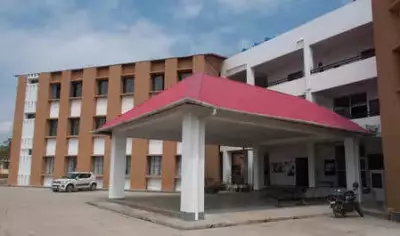
In a groundbreaking initiative that challenges deep-rooted social stigmas, the educational landscape of Kattakada in Kerala's Thiruvananthapuram district is undergoing a transformative change. The region has launched specialized girl-friendly rooms in government and aided schools, creating safe spaces for menstrual hygiene management and breaking long-standing taboos surrounding periods.
A Comprehensive Approach to Menstrual Dignity
The project represents a significant step forward in addressing the practical challenges girls face during their menstrual cycles. Each girl-friendly room is equipped with essential amenities including sanitary napkins, changing facilities, clean water, and proper disposal systems. The rooms are designed to provide privacy and comfort, allowing students to manage their periods with dignity without disrupting their educational routine.
This initiative builds upon Kattakada's previous success in implementing similar facilities in higher secondary schools. The current expansion brings these essential services to a broader range of educational institutions, demonstrating the local administration's commitment to menstrual health as an integral part of educational infrastructure.

Breaking Cultural Barriers and Social Stigmas
Beyond the physical infrastructure, the program includes comprehensive educational components that address the psychological and social aspects of menstruation. Teachers and female staff members receive specialized training to handle menstrual health issues sensitively and effectively. The program also incorporates awareness sessions that educate both male and female students about menstrual health, working to normalize conversations around periods and eliminate associated shame.
The initiative particularly focuses on creating an environment where girls no longer need to feel embarrassed or miss school days due to their menstrual cycles. By providing dedicated spaces and resources, the project aims to eliminate the anxiety and discomfort that often accompanies periods in educational settings.
Community Participation and Sustainable Implementation
Local self-government institutions have played a crucial role in bringing this project to fruition. The implementation involves collaboration between educational authorities, health departments, and local governance bodies, ensuring a multi-dimensional approach to menstrual health management. Community participation has been identified as a key factor in the program's success, with local stakeholders actively contributing to both planning and execution phases.
The project also emphasizes sustainability through proper maintenance protocols and continuous supply chain management for menstrual products. Regular monitoring mechanisms ensure that the facilities remain functional and meet the evolving needs of students. This systematic approach guarantees that the initiative delivers lasting benefits rather than serving as a temporary solution.
Kattakada's pioneering effort in menstrual hygiene management sets a powerful precedent for other regions in India to follow. By treating menstrual health as a fundamental right rather than a privilege, this initiative marks significant progress toward gender equality in educational spaces and represents a crucial step in dismantling period-related discrimination.