Alarming Wave of Student Suicides Grips Karnataka Schools
A distressing series of student suicides has sent shockwaves through Karnataka, with five to six tragic cases reported within just the past two weeks. This alarming trend has left parents, educators, and authorities deeply concerned about the mental well-being of young learners across the state.
Tragic Incidents Highlight Urgent Crisis
The recent incidents paint a grim picture of the challenges facing students. In Narayanpur village of Basavakalyan taluk, Bidar district, a Class 10 student died by suicide in the hostel of Navodaya Residential School. Meanwhile, in Bharamasagara, Chitradurga, another Class 10 student lost their life after falling from the third floor of a building at DVS School.
Further tragedies unfolded in Vadagera town, where a Class 9 student died by hanging behind a government high school, and in Kalaburagi, where a student jumped into a well. Officials have acknowledged that this sudden rise in student suicides presents a major challenge requiring immediate intervention.

Child Protection Policy Implementation Remains Woefully Inadequate
The Karnataka State Commission for Protection of Child Rights (KSCPCR) is now considering stringent action against educational institutions that have failed to implement the Karnataka State Child Protection Policy, 2016 (amended 2023). Shockingly, sources reveal that only 30–40% of schools and hostels have actually implemented this crucial policy designed to safeguard students.
"Many institutions, including residential schools, simply did not bother to implement this policy for the safety of their students," a source disclosed, highlighting a concerning lack of commitment to student welfare.
Social Media Addiction Emerges as Critical Factor
KSCPCR chairman Shashidhar Kosambe shared alarming findings from a survey conducted six months ago across six selected districts, focusing on social media addiction among students aged 8–18. The results revealed that 99% of students aged 15–18 were addicted to Instagram, with 43% facing abuse through social media platforms.
Even more troubling, 42% reported being blackmailed, 16% admitted to sharing nude pictures with unknown persons, and 6% had met strangers they encountered online. "Many children are facing severe problems due to their addiction to social media and mobile phones," Kosambe emphasized.
The chairman explained that this digital addiction is weakening children's mental resilience, diminishing their ability to confront challenges, and pushing vulnerable students toward depression. The child protection policy specifically addresses these issues by mandating support systems for mentally vulnerable or depressed students.
Policy Requirements Being Widely Ignored
The comprehensive policy framework requires schools to conduct regular meetings with affected students, organize parent meetings, provide counseling sessions, and monitor student behavior for signs of distress. However, Kosambe revealed that many schools are not conducting these essential activities despite the clear mandate.
Recent inspections confirmed that approximately 60% of schools have failed to implement the policy properly. "We will take decisive action if schools continue to neglect this policy in the coming days," Kosambe warned, signaling a tougher stance on compliance.
State-Level Response and Support Initiatives
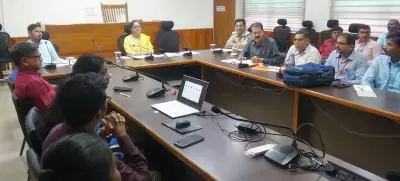
To address this crisis, the commission plans to organize a state-level workshop in Bengaluru, bringing together representatives from the education department, various schools, and non-governmental organizations. This gathering will focus specifically on discussing student suicides and developing effective measures to prevent further tragedies.
Kosambe also urged all stakeholders to utilize the Telemanasa helpline (14416 or 1800-89-14416), which provides crucial mental health support for students in distress. This initiative represents part of a broader effort to create a more responsive support system for vulnerable young people across Karnataka's educational institutions.