Karnataka Governor Issues Formal Directive to State Government on KSOU Matter
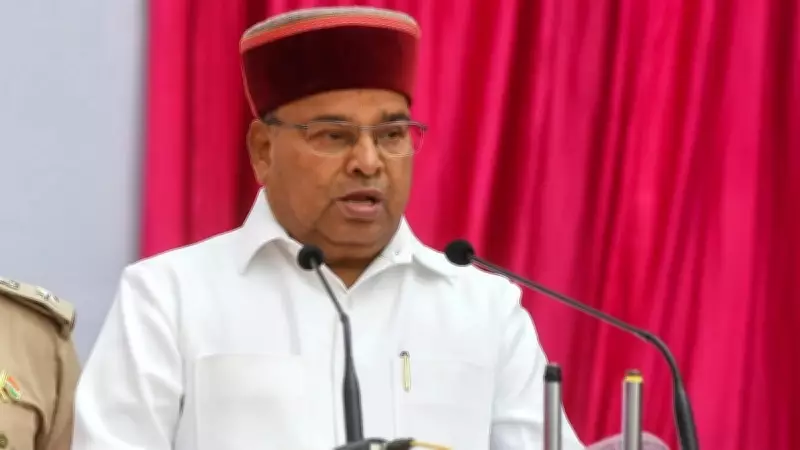
In a significant development that underscores the escalating friction between constitutional offices in Karnataka, Governor Thaawarchand Gehlot has officially called upon the Siddaramaiah-led state government to immediately withdraw all sanctions and restrictions that have been levied against the Karnataka State Open University (KSOU). This move brings to the forefront the persistent disagreements over the administration and autonomy of state-run educational institutions.
Background of the KSOU Controversy
The Karnataka State Open University, established to promote distance and open learning across the state, has been embroiled in a series of controversies regarding its operational protocols and academic standards. Over recent years, the state government, under the leadership of Chief Minister Siddaramaiah, implemented various sanctions aimed at restructuring and regulating the university's functions. These measures were purportedly introduced to enhance transparency and accountability within the institution.
However, critics and stakeholders have argued that these sanctions have inadvertently hampered the university's ability to function effectively, affecting thousands of students enrolled in its programs. The Governor's intervention is seen as a response to these concerns, emphasizing the need to balance regulatory oversight with institutional independence.

Governor Gehlot's Stance and Rationale
Governor Thaawarchand Gehlot, in his communication to the state government, articulated that the sanctions imposed on KSOU are not only detrimental to the university's operational efficiency but also contravene the principles of academic freedom and autonomy. He highlighted that such restrictive measures could undermine the quality of education and limit access to higher learning opportunities for students from diverse backgrounds, particularly those in remote areas.
The Governor's directive is rooted in his constitutional role as the Chancellor of state universities in Karnataka, which grants him supervisory authority over their affairs. By urging the withdrawal of sanctions, Gehlot aims to foster a more collaborative approach between the Raj Bhavan and the state government, ensuring that educational policies are formulated with mutual consensus and in the best interest of students and educators alike.
State Government's Position and Potential Implications
The Siddaramaiah government has yet to issue an official response to the Governor's request. Historically, the state administration has defended its actions regarding KSOU, citing the need for stringent oversight to prevent malpractices and ensure compliance with national educational standards. This stance reflects broader tensions in Indian federalism, where state governments and gubernatorial offices often clash over jurisdictional matters.
If the government chooses to comply with the Governor's directive, it could lead to a significant rollback of regulatory measures, potentially revitalizing KSOU's operations and restoring its academic programs. Conversely, a refusal might escalate the conflict, possibly resulting in legal or administrative challenges that could further delay resolutions and impact the university's functioning.
Broader Context of Educational Governance in Karnataka
This incident is not isolated but part of a larger pattern of disputes between the Governor's office and the state government in Karnataka. Similar conflicts have arisen over the appointment of vice-chancellors, funding allocations, and policy implementations in other state universities. These recurring issues highlight the delicate balance of power in educational governance and the ongoing struggle for autonomy versus accountability.
Stakeholders, including student groups, academicians, and political observers, are closely monitoring the situation. Many advocate for a mediated dialogue to resolve the impasse, emphasizing that collaborative efforts are essential to uphold the integrity of Karnataka's educational ecosystem. The outcome of this directive could set a precedent for how similar disputes are handled in the future, influencing the trajectory of higher education in the state.

In summary, Governor Thaawarchand Gehlot's call to withdraw sanctions on KSOU marks a critical juncture in Karnataka's educational landscape. It underscores the need for harmonious cooperation between constitutional authorities to ensure that universities like KSOU can thrive without undue constraints, ultimately benefiting the students they serve.