Karnataka Assembly Considers Legislation for Student-Led School Cleaning
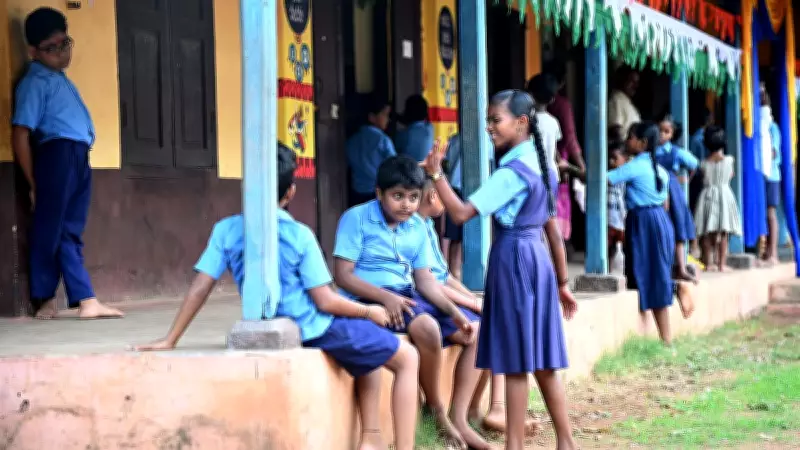
The Karnataka Legislative Assembly has ignited a significant debate on educational reforms, with a proposal for students to take on the responsibility of cleaning their own schools. This discussion centers on a potential shift in school management practices, aiming to foster discipline and civic sense among young learners.
Minister's Proposal Sparks Legislative Discussion
School Education and Literacy Minister Madhu Bangarappa has taken a proactive stance on this issue, stating that he would welcome the initiative if the Assembly agrees to legislate on it. In a session held on March 24, 2026, Bangarappa emphasized the need for formal legal backing to implement such a policy effectively across the state's educational institutions.
This proposal comes as part of broader efforts to integrate practical life skills into the school curriculum, moving beyond traditional academic learning. The minister's comments have prompted lawmakers to weigh the benefits of instilling cleanliness habits in students against logistical and practical concerns.

Debate Highlights Educational Priorities
The Assembly debate has brought to light various perspectives on student responsibilities and school hygiene. Proponents argue that involving students in cleaning activities can:
- Promote a sense of ownership and pride in their school environment.
- Teach valuable life skills related to hygiene and maintenance.
- Reduce dependency on external cleaning staff, potentially freeing up resources for other educational needs.
However, critics have raised questions about the feasibility and impact on students' academic time. Some legislators have expressed concerns that such duties might detract from core learning objectives or place undue burden on children, especially in under-resourced schools.
Potential Implications for Karnataka's Education System
If legislated, this policy could mark a significant change in how schools operate in Karnataka. It aligns with global trends where educational systems incorporate community service and practical tasks into student routines. The discussion also touches on themes of sustainability and self-reliance in educational settings.
The outcome of this debate could influence similar initiatives in other states, setting a precedent for student involvement in school upkeep. As the Assembly continues to deliberate, stakeholders including parents, teachers, and education experts are closely monitoring developments.
This legislative consideration underscores Karnataka's ongoing efforts to innovate in the education sector, balancing traditional values with modern pedagogical approaches. The final decision will likely hinge on detailed assessments of implementation strategies and student welfare considerations.