A major confrontation is brewing in Jamshedpur as an association representing 40 private English-medium schools has decided to take the Jharkhand state government to court. The dispute centers around the government's alleged failure to reimburse these institutions for educating students from Below Poverty Line (BPL) families under the Right to Education (RTE) Act's mandatory 25% quota.
The Core of the Dispute: Unpaid Reimbursements
The Association of Jharkhand Unaided Private Education Institutions (AJUPEI) announced this drastic step after years of what they call non-cooperation from the state. The RTE Act 2009 mandates that all private, non-minority schools reserve 25% of their seats in each class for children from economically weaker sections, with the government reimbursing the cost per child. According to the schools, the state agreed to provide only Rs 425 per BPL student, an amount they argue is far less than the actual cost they bear.
Making matters worse, the association claims this already modest reimbursement has not been paid for over three years. AJUPEI Secretary Srikant Nair stated that the unpaid amount has now accumulated to several crores of rupees, putting immense financial strain on these unaided institutions that operate solely on student fees without any government grants.

Government's Counter-Claim and School's Rebuttal
The state government, however, has refuted the schools' claims of being 'unaided'. In an official letter, the government stated that the funds were withheld because the schools are located on land leased from Tata Steel. This, according to the authorities, places them in the category of "government-aided schools", making them ineligible for the RTE reimbursement meant for completely private, unaided institutions.
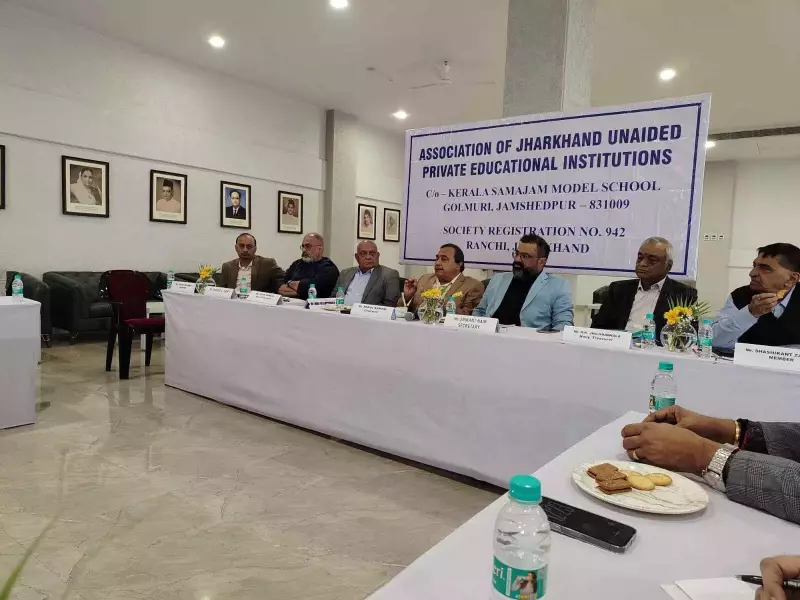
The school association strongly contests this classification. Addressing a press conference on Friday, AJUPEI Chairman Nakul Kamani argued that while the land is leased from Tata Steel, the schools are not getting it for free and pay a lease amount. He emphasized that their institutions are truly unaided, receiving no government funding for operations or salaries, and thus should qualify for the RTE reimbursement.
Implications and The Path Forward
Faced with this financial deadlock, the 40 schools under AJUPEI have decided to seek legal recourse. Their plan is to approach the Jharkhand High Court to request a stay on further admissions of BPL students starting from the upcoming academic year. This move is intended to halt the increasing financial burden until the reimbursement issue is resolved.
Kamani highlighted the difficult position the schools are in. The other alternative—raising fees for general category students to cover the cost of BPL education—was deemed unfair to parents. Officials from the East Singhbhum education department have so far declined to comment on the association's specific allegations.
This standoff puts the future of the RTE's inclusive education mandate in Jamshedpur at risk, potentially affecting access for hundreds of underprivileged children if the schools follow through with their legal threat.