Gujarat's Student Detention Policy Draws Criticism Over Implementation Concerns
The Gujarat government's recently introduced detention policy for students in Classes 5 to 8, designed to enhance learning outcomes and academic rigor, is facing significant criticism regarding its practical implementation. This policy marks a departure from the previous no-detention system, which had been in place for students from Classes 1 to 8.
Background: From No-Detention to Academic Accountability
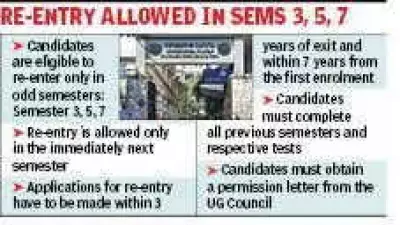
Under the earlier system, students were automatically promoted to the next grade regardless of their examination performance. This approach raised serious concerns among educators and policymakers, as many students were advancing to higher classes without mastering fundamental skills such as basic reading and writing. To address these educational gaps, the Gujarat government implemented a new policy that allows schools to fail students in Classes 5 to 8 if they do not meet the required academic standards.
The Supplementary Exam Provision: A Point of Contention
A key aspect of the policy that has sparked debate is the education department's provision for supplementary examinations. According to this rule, students who fail their annual exams are given two months of additional instruction and support. After this period, they can reappear for exams, and if they pass, they are promoted to the next class.

Education experts and stakeholders have raised questions about the effectiveness of this approach. They argue that if a student could not succeed after a full academic year of teaching and learning, it is unrealistic to expect them to catch up and pass in just two months. This provision, critics say, may inadvertently weaken the policy's original intent of ensuring students develop essential academic skills before progressing.
Potential Consequences for Educational Standards
The criticism extends to the potential impact on schools' decision-making processes. Faced with the supplementary exam system, many schools might opt to pass students rather than fail them, to avoid the administrative burden and additional resources required for the two-month remedial period. This could lead to a situation where the policy fails to achieve its goal of improving educational standards, as students may still advance without adequate proficiency.
Furthermore, there are concerns about the consistency and fairness of implementation across different schools in Gujarat. Variations in how schools apply the detention and supplementary exam rules could result in unequal educational outcomes for students, depending on their institution.
Looking Ahead: Calls for Review and Adjustment
As the debate continues, there are growing calls for the Gujarat government to review and possibly adjust the detention policy to ensure it effectively addresses learning gaps without creating new challenges. Suggestions include providing more comprehensive support systems for struggling students, extending the remedial period, or implementing continuous assessment methods to better track academic progress.
The outcome of this policy's implementation will be closely watched by educators, parents, and policymakers across India, as it could set a precedent for similar reforms in other states aiming to balance academic accountability with student welfare.