Goa SCERT Rolls Out NEP 2020 with Focus on Reducing Student Bag Weight
In a significant move to align with the National Education Policy (NEP) 2020, the Goa State Council for Educational Research and Training (SCERT) has announced comprehensive measures to lighten the load of school bags for students across all classes starting from the new academic year. The council has directed schools to adopt practices that prioritize student well-being and academic efficiency.
New Guidelines for School Bags and Notebooks
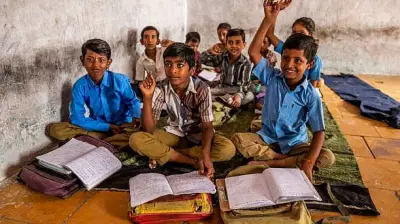
To address the long-standing issue of heavy school bags, SCERT has mandated that students up to Class VIII use only 100-page books per subject. This initiative aims to significantly reduce bag weight, which has been a major concern for parents due to its potential impact on children's physical health. Additionally, the council recommends that a single 100-page notebook be utilized for multiple purposes, including dictation, tests, copywriting, and class work, eliminating the need for separate notebooks for homework.
In a circular issued to all state schools, SCERT stated, "To reduce the weight of students’ school bags, the following practices are recommended: Only short notebooks of 100 pages shall be used per subject for all purposes. A single notebook may be divided and used for multiple purposes such as dictation, tests, copywriting, class work, etc. No separate notebooks shall be prescribed for homework. All home practice activities shall be completed in the same notebook." Schools are also instructed to provide worksheets for home practice only when absolutely necessary, further minimizing additional materials.

Textbook Distribution and Compliance
SCERT will supply newly developed NEP-aligned textbooks and reference books free of cost to all government and government-aided schools. The council has emphasized that no additional textbooks, reference books, or workbooks beyond those issued by GSCERT should be prescribed to students. This measure ensures uniformity and prevents unnecessary financial burdens on families.
The directive comes despite existing guidelines from the Union human resource development ministry, which state that school bag weight should not exceed 10% of a child's weight. The increased pressure from heavy bags has prompted SCERT to take proactive steps to enforce these standards more effectively.
Teacher Workload Regulations
In addition to student-focused changes, SCERT has addressed teacher workload to ensure a balanced educational environment. Schools have been instructed to comply with Rule 20 (1) para 2 of The Goa, Daman and Diu School Education Act and Rules, 1984, which caps a teacher's weekly workload at 21 hours, including non-academic subjects. Teachers may be required to devote up to 200 hours annually for remedial teaching and supervised studies, as per the program set by the school head.
To manage workload effectively, the directorate of education will sanction additional teachers on a contract or lecture basis where needed. Furthermore, existing computer teachers will be utilized for teaching vocational education for Classes VI to VIII, optimizing resource allocation and enhancing educational outcomes.
Broader Implications and Future Steps
This initiative by Goa SCERT marks a pivotal step in implementing NEP 2020, focusing on holistic development by reducing physical strain on students and ensuring fair working conditions for teachers. By integrating lightweight materials and structured workload limits, the council aims to create a more conducive learning atmosphere that supports both academic excellence and health.
Parents and educators have welcomed these changes, anticipating positive impacts on student performance and well-being. As the new academic year approaches, schools are expected to adapt quickly to these guidelines, paving the way for a transformed educational landscape in Goa.