The Unspoken Language of Classrooms: More Than Just Lessons
There are moments when the sounds of a classroom linger in memory far longer than the academic content taught within its walls. The distinct scrape of chairs shifting across the floor, the hushed whisper that carries just a bit too loudly, the patient repetition of a teacher's voice as they call a student's name, waiting for a response that hasn't yet formed. These auditory textures are not mere background noise; they are powerful forces that quietly sculpt the educational experience.
The Hidden Curriculum of Sound and Atmosphere
These everyday sounds determine far more than we typically acknowledge. They silently influence which students feel confident enough to raise their hands, which ones retreat into invisibility, and which feel an internal pressure to accelerate simply to fit in. The classroom becomes a stage where differences manifest subtly yet profoundly.
Consider the child who processes information at a different pace, needing those extra moments of reflection. Or the student who already knows the answer but hesitates to voice it. Or the one whose body seems restless, yet whose mind is deeply engaged. Traditional educational settings often misinterpret these variations as disruptions—obstacles to be managed so that the "real" curriculum can proceed uninterrupted.
But what if these moments of difference are where the most authentic learning actually occurs?Transforming Atmosphere Before Syllabus
When educators intentionally create space for diverse learning styles and paces, the first shift occurs not in the lesson plans or schedules, but in the very atmosphere of the room. The emotional climate transforms. Mistakes lose their dramatic weight, becoming natural steps in the learning process. Silence is no longer awkward but thoughtful. Students cease constantly comparing themselves to peers and instead reconnect with their own thought processes.
This psychological safety is crucial. Children who feel perpetually rushed often stop thinking deeply. Those who feel overly scrutinized may stop trying altogether. In contrast, students who feel secure are empowered to experiment. They participate verbally, make errors, and persist regardless. This environment fosters genuine intellectual risk-taking.
The Ripple Effect on All Learners
An often-overlooked benefit is how inclusive classrooms transform even those students who are traditionally "doing well." They begin to perceive learning not as a competitive race but as a collaborative journey. They cultivate patience, develop the ability to explain concepts to others, and recognize that intelligence isn't always synonymous with speed or volume. They absorb lessons in empathy organically, without needing a formal lecture on the subject.
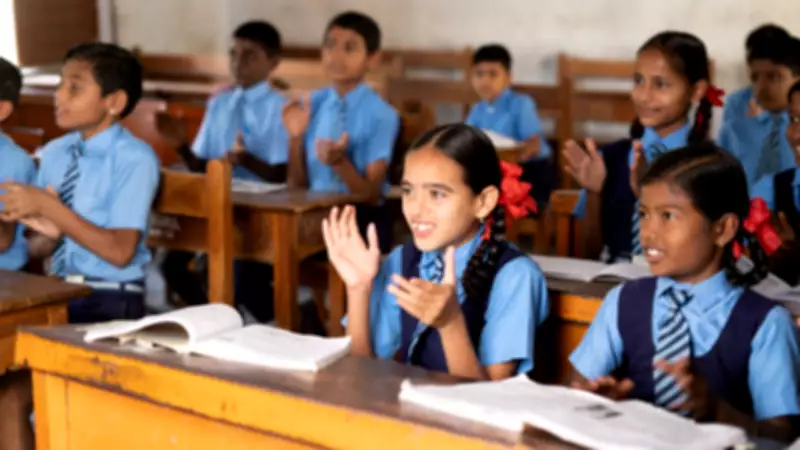
Truly inclusive classrooms don't necessarily feel revolutionary; they feel appropriately ordinary. They are characterized by simple, humane actions: a teacher consciously pausing for a few additional seconds before moving on, a class that responds with support rather than laughter when a peer struggles, a student offering help spontaneously. These moments might not look impressive on standardized reports, but they embed themselves deeply into young minds, teaching fundamental lessons about coexistence and respect.
Normalizing Difference to Unleash Potential
When differences are handled with grace and expectation, they cease to be framed as problems. They become part of the normal, expected background of the learning community. This normalization is liberating; children stop expending energy masking their true selves and can redirect that focus toward actual learning.
The core truth is simple: not everyone learns in the same way. This is not a flaw in the system; it is the very essence of education.Classrooms that embrace this principle do more than teach subjects like mathematics or history. They impart a more vital lesson: that students do not need to alter their fundamental identities to be considered worthy of learning. This message—that one belongs and can learn as they are—resonates far beyond the classroom, enduring long after the details of any exam have faded.