Chitradurga's Educational Renaissance: How Ed Labs Are Transforming Learning Outcomes
In a remarkable turnaround story from Karnataka's educational landscape, Chitradurga district has embarked on a comprehensive journey to elevate its academic standing. Having secured the 23rd position among the state's 35 educational districts in last year's Secondary School Leaving Certificate (SSLC) examinations, district authorities recognized the urgent need for systemic intervention. The solution emerged in August last year when the zilla panchayat established two pioneering Education Laboratories at the District Institute of Education and Training.
Addressing Foundational Learning Gaps
The initiative was born from concerning data revealed in the Annual Status of Education Report 2025 conducted by Pratham. Zilla Panchayat Chief Executive Officer Akash Shankar disclosed alarming statistics: only 48.8% of students in classes 6 through 8 could read a class 2 level text, while a mere 36.5% demonstrated proficiency in solving two-digit mathematical problems. "These indicators necessitated a focused, systemic intervention," Shankar explained. "The Ed Lab was designed specifically to bring meaningful and lasting change to our district's education ecosystem."
Teacher Workload: The Hidden Challenge
A comprehensive teacher time-use survey uncovered a startling reality that was hampering educational quality. On average, educators were dedicating the equivalent of 200 to 250 classroom periods annually to administrative duties and data entry rather than actual teaching. "This non-teaching workload was significantly impacting classroom instruction," Shankar noted. In response, decisive measures were implemented at school levels to reduce administrative burdens, allowing teachers to refocus on their primary educational responsibilities.

Measurable Improvements in Learning Outcomes
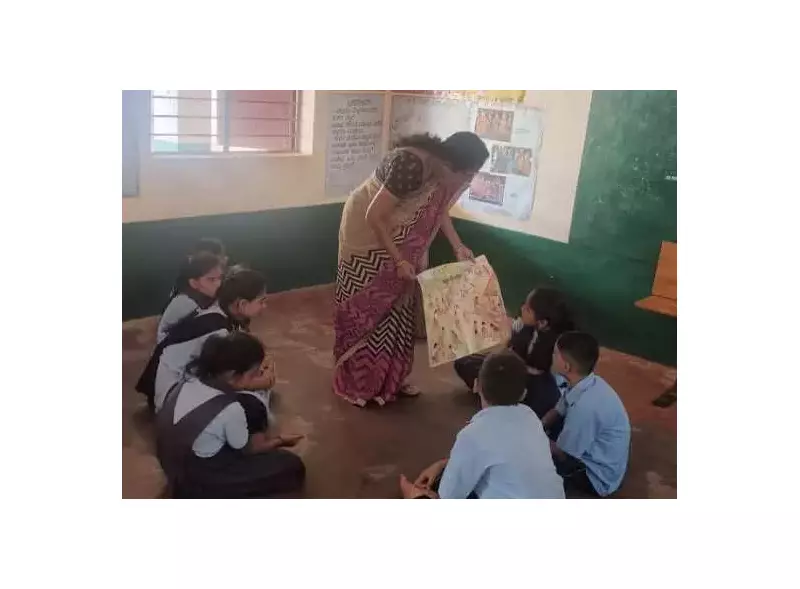
The Ed Lab initiative has yielded impressive results within a relatively short timeframe. Through programs like Ganita Ganaka and Odu Karnataka, foundational skills have shown remarkable improvement. The percentage of students capable of solving two-digit division problems has surged from a concerning 2% to an encouraging 22%. Early outcomes from the Odu Karnataka program revealed that within just thirty days, 34% of children could read simple texts while 66% could recognize three-digit numbers.
Structural Support and Monitoring Mechanisms
District Institute of Education and Training Vice-Principal S Nagabushan detailed the structural framework supporting this transformation. A core team comprising Deputy Directors of Public Instruction and six block education officers was established to guide cluster and block resource persons in micro-level progress tracking. "These professionals received specialized training to analyze outcomes at granular levels," Nagabushan stated. The physical Ed Lab facility now serves as a hub for regular offline meetings conducted every fifteen days.
Collaborative Partnerships for Sustained Progress
The district has forged strategic partnerships with government-recognized nonprofit organizations to ensure continuous monitoring and improvement. Both Pratham and the Azim Premji Foundation are actively tracking learning outcomes, providing external validation of the district's progress. Detailed analysis of foundational literacy and numeracy levels has enabled precise identification of learning gaps and low-performing schools, allowing for targeted interventions.
Data-Driven Validation of Success
Baseline and endline data reported by teachers clearly demonstrate measurable learning gains across the district. A mid-term survey conducted by Pratham observed positive transformations among approximately 60,000 government school students in Chitradurga. "The Ed Lab represents the first initiative of its kind in Karnataka," Shankar emphasized with evident pride. "It has already elevated our district to top positions in various educational programs, and we anticipate significantly improved performance in upcoming SSLC examinations."

This comprehensive approach—combining technological guidance for teachers, reduction of non-teaching workloads, implementation of recognized educational programs, and robust monitoring mechanisms—has positioned Chitradurga as a model for educational reform in Karnataka. The district's journey from 23rd rank to emerging leader demonstrates how targeted, data-informed interventions can create substantial improvements in India's educational landscape.