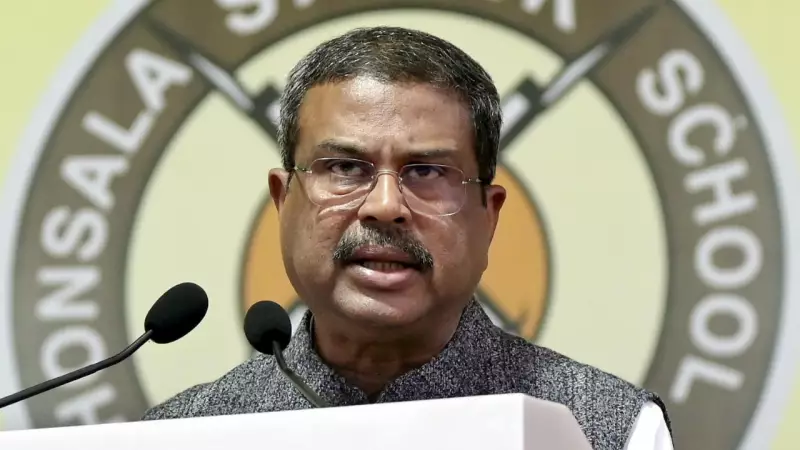
In a significant move signalling a major policy shift, Union Education Minister Dharmendra Pradhan on Friday announced a decisive rethink of India's school education framework. The announcement came during a high-level consultation on the future of the flagship Samagra Shiksha scheme, with the Centre preparing to launch Samagra Shiksha 3.0 for 2026-27, aligned with the Viksit Bharat vision.
From Bureaucracy to Community: A New Vision for Schools
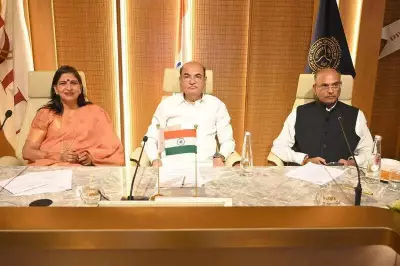
Chairing the day-long consultation, Minister Pradhan emphasised the need to move beyond the bureaucratic management of schools. He stressed that to effectively address persistent issues like learning gaps, student drop-outs, and uneven educational outcomes, schools must be restored as community-owned institutions. "The government must take responsibility for systems and salaries, but schools cannot be run through files alone. They must once again belong to society," Pradhan stated. Officials indicated that this vision would translate into strengthened societal representation in school governance in the upcoming phase of the scheme.
The minister outlined that the emphasis under the new framework would decisively shift from mere inputs and expenditure to measurable learning outcomes and holistic child development. This outcomes-based approach is expected to be a cornerstone of the revamped Samagra Shiksha 3.0.

States Demand Expansion of Foundational Learning and Teacher Support
The consultation saw active participation from 11 states and Union Territories, including Tamil Nadu, Punjab, Assam, Delhi, Maharashtra, Uttar Pradesh, Jammu & Kashmir, and Odisha. A key consensus emerged around the need to expand the scope of the NIPUN Bharat mission.
Currently focused on foundational literacy and numeracy in early grades, multiple states recommended extending the mission to cover Classes III to V. This expansion aims to tackle the persistent learning deficits that continue to plague students beyond the initial years of schooling.
Another critical area highlighted was the urgent need for enhanced central support for teacher capacity building. States flagged the growing complexity of modern classrooms and underscored the necessity for continuous professional development for teachers within the National Education Policy (NEP) framework. In response, officials confirmed that teacher training would be a key pillar of Samagra Shiksha 3.0.
Linking Nutrition with Learning Outcomes
Minister Pradhan also underscored the intrinsic link between classroom learning and nutrition. He stressed the pivotal role of the PM Poshan scheme in improving school attendance, student retention, and cognitive outcomes. "Learning and nutrition outcomes must move together," he asserted, highlighting a more integrated approach to child development.
The inputs gathered from this consultation and others will directly feed into the national plan for 2026-27. The Centre has clearly signalled that the next phase of school reform will be judged less by financial allocations and more by tangible improvements and outcomes on the ground. This marks a pivotal moment as India moves to redesign its school education ecosystem for the future.