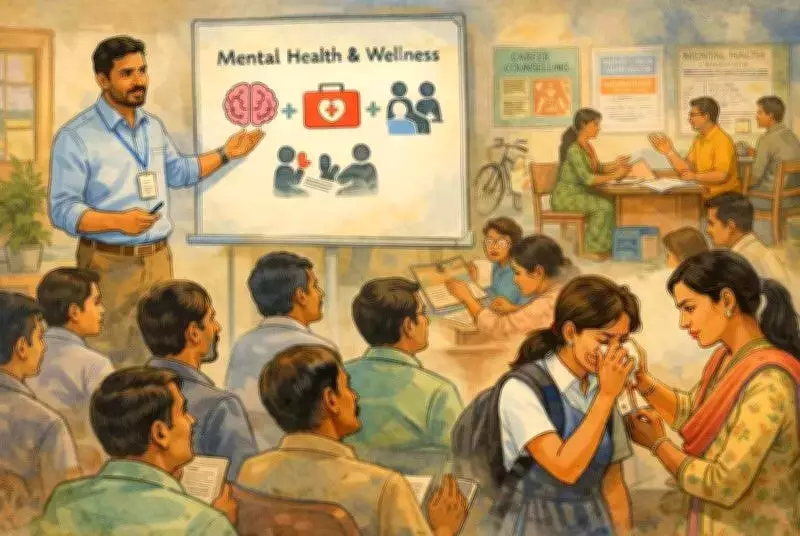
CBSE Mandates Annual Mental Health Training for All School Staff Nationwide
The Central Board of Secondary Education (CBSE) has issued a landmark directive making mental health training compulsory for all teaching and non-teaching personnel in its affiliated schools. This training must be conducted at least two times every year by certified mental health professionals as part of a comprehensive strategy to enhance student welfare and emotional resilience.
Comprehensive Training Curriculum and Implementation
According to the board's latest circular, the mandatory training sessions will cover several critical areas essential for creating a supportive school environment. These include:
- Psychological first aid techniques for immediate crisis response
- Identification of early warning signs of mental distress
- Appropriate response protocols for self-harm situations
- Effective referral mechanisms to professional services
The board has emphasized that all school staff—including teaching, non-teaching, and administrative personnel—must be adequately trained to interact with students in a sensitive, inclusive, and non-discriminatory manner. This represents a significant shift toward institutionalizing mental health awareness throughout the educational ecosystem.

Expanding Support Beyond School Staff
The CBSE initiative extends beyond school employees to include parents and guardians through regular sensitization programs. These programs aim to help families recognize signs of psychological distress in children and avoid placing excessive academic pressure on them. The board has specifically highlighted the importance of creating a balanced home environment that supports emotional well-being alongside academic achievement.
Furthermore, schools are now required to integrate mental health literacy, emotional regulation techniques, life skills education, and awareness of institutional support services directly into student orientation programs and regular curricular activities. This holistic approach ensures that mental health education becomes an embedded component of the student experience rather than an isolated intervention.
Systematic Documentation and Reporting Requirements
To ensure accountability and measure impact, the CBSE has instituted rigorous documentation requirements. Affiliated schools must maintain anonymous records of all wellness interventions and prepare detailed annual reports that include:
- The number of wellness interventions conducted
- Student referrals to mental health services
- Training sessions completed for staff
- Related mental health promotion activities
This systematic approach allows schools to track their progress while protecting student privacy through anonymous data collection methods.
Broader Educational Reforms and Student Development
The mental health mandate is part of a larger transformation in CBSE's educational philosophy. Schools are now instructed to prioritize co-curricular activities including sports, arts, and personality development programs. Additionally, examination patterns must be periodically reviewed to help students develop a broader sense of identity beyond academic scores and rankings.
Another significant requirement is the provision of structured career counseling services for students and parents through qualified counselors. This aims to reduce unrealistic academic pressure by promoting awareness of diverse academic and professional pathways, helping students make informed decisions based on their genuine interests and aptitudes rather than societal expectations.
Building a Comprehensive Support Ecosystem
The CBSE has urged school principals to nominate teachers and staff who are actively engaged with students for specialized capacity-building programs focused on promoting mental health and social-emotional learning. The ultimate goal is to create an educational ecosystem that prioritizes emotional resilience alongside academic growth, ensuring every student receives the support needed to flourish both personally and academically.

This comprehensive approach represents one of the most significant mental health initiatives in Indian education history, potentially impacting millions of students across thousands of CBSE-affiliated institutions nationwide.