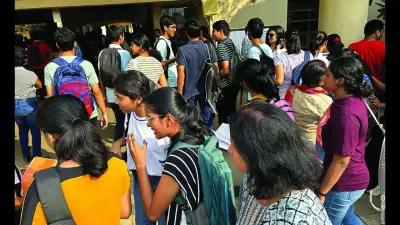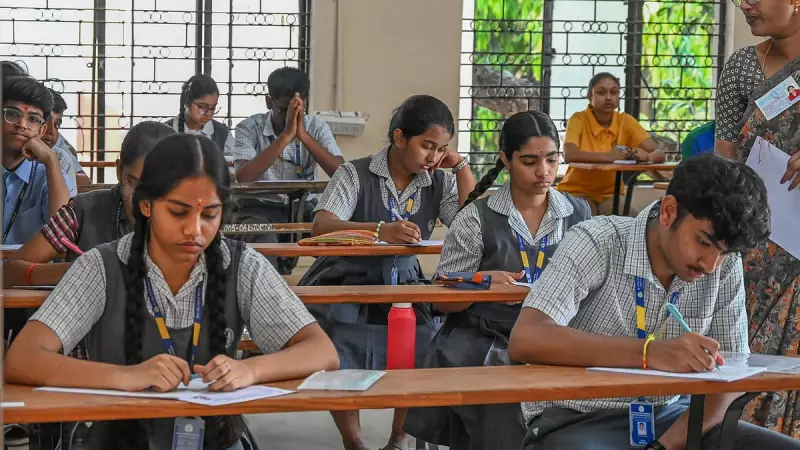
The Karnataka government has initiated a significant policy shift, proposing the consolidation of its public schools. This move directly targets a persistent challenge: numerous small schools grappling with sharply declining student numbers. The core objective is to create larger, well-resourced institutions that can offer continuous education from the primary level all the way to Pre-University Course (PUC).
The Rationale Behind the Consolidation Drive
At the heart of this initiative lies the pressing issue of dwindling enrolment in smaller government schools. Many such institutions, especially in rural and semi-urban areas, operate with very few students, making it economically and logistically challenging to provide quality infrastructure, a diverse range of teachers, and comprehensive facilities. The state's plan seeks to address this by merging these smaller units. The stated aim is twofold: to efficiently manage resources and to establish well-equipped schools offering education from primary up to PUC at a single location. This "one-roof" model is envisioned to provide stability and a seamless academic journey for students, potentially reducing dropout rates during transitional phases.
Potential Impacts and Inherent Challenges
If implemented effectively, the merger could lead to the creation of integrated educational complexes. These hubs would theoretically offer better laboratories, libraries, sports facilities, and a broader choice of subjects and extracurricular activities. For parents, it promises continuity and potentially higher standards. However, the plan is not without substantial hurdles. A primary concern is student accessibility. Merging schools could mean longer travel distances for many children, posing safety and logistical problems, especially for younger students. There are also valid apprehensions about the absorption of teachers from merged schools, potential loss of local community connection, and the daunting task of actually upgrading infrastructure in the new consolidated units to match the promised standards.

A Critical Juncture for Public Education
The success of this consolidation strategy will depend on meticulous execution and substantial investment. Simply merging administrative units without a concurrent and significant upgrade in facilities, teaching quality, and student support services will not achieve the desired reversal in enrolment trends. The government must ensure that the process is consultative, addresses transportation and infrastructure gaps proactively, and genuinely enhances the quality of education. The outcome will be a crucial indicator of whether structural reforms can reinvigorate public trust in government schooling systems. As of 06 January 2026, this proposal marks a pivotal moment for educational policy in Karnataka, with its effects likely to be closely watched by other states facing similar challenges.