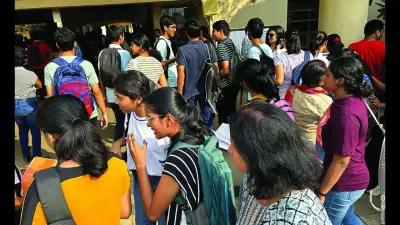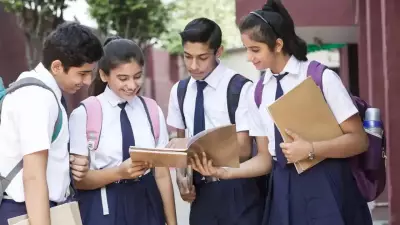
On a bright morning in January 2024, as students across India nervously flipped through new textbooks, a unique scene unfolded at a school in Bengaluru. Instead of diving straight into academic syllabi, the day began with a profound, interactive session that has since captured the nation's imagination. This was the 'First Lesson of the Year', a pioneering initiative that placed life skills and emotional well-being at the heart of the educational experience.
Beyond Textbooks: The Anatomy of the First Lesson
The session, meticulously planned by the school's faculty, was a deliberate departure from routine. The core objective was to equip students with tools far more enduring than rote knowledge. Educators focused on fostering critical thinking, empathy, and adaptability—skills deemed essential for navigating an increasingly complex world. The classroom transformed into a dynamic space for dialogue, where students were encouraged to share their aspirations, fears, and observations about the society they inhabit.
Activities were designed to be participatory and reflective. Discussions revolved around real-world challenges, ethical dilemmas, and the importance of community. The teachers acted as facilitators, guiding the conversation to help students connect their personal goals with broader societal contributions. This approach underscored a significant shift: viewing students not merely as academic performers but as future citizens and problem-solvers.

A Response to Systemic Gaps in Indian Education
This innovative lesson did not emerge in a vacuum. It is a direct response to growing critiques of the traditional Indian education system, which is often criticized for its excessive emphasis on memorization and high-stakes examinations. Many educators and parents have voiced concerns that the current model leaves little room for developing creativity, emotional intelligence, or practical life skills.
The Bengaluru school's initiative taps into a national, and indeed global, conversation about educational reform. It aligns with the spirit of India's National Education Policy (NEP) 2020, which advocates for a more holistic, flexible, and multidisciplinary approach to learning. By prioritizing these 'first lessons,' the school is implementing the NEP's vision on a granular, classroom level, demonstrating what a shift towards experiential and value-based education can look like in practice.
The Ripple Effect: Implications and the Road Ahead
The impact of this single day's lesson extends far beyond its immediate participants. It has sparked a vibrant discourse among educators nationwide, serving as a powerful case study. The viral attention it received highlights a deep-seated public desire for change in how we perceive and deliver education. It poses a critical question: Should the primary goal of schooling be to produce top rankers, or to nurture well-rounded, resilient, and compassionate individuals?
While this model presents an inspiring alternative, it also brings challenges to the fore. Scaling such personalized, discussion-based learning requires significant teacher training, curricular flexibility, and a move away from rigid, exam-centric evaluation. However, the Bengaluru school has shown that the journey begins with a single, intentional step. Their 'First Lesson of the Year' stands as a beacon, suggesting that the most important chapters in a student's life may not be written in textbooks, but are instead forged through meaningful connection and guided self-discovery.
As the academic year progresses, the true test will be how these initial principles are woven into the fabric of daily learning. Yet, one thing is clear: this bold reimagining of Day One has already delivered its most crucial lesson—that education, at its best, is about lighting a fire, not just filling a vessel.