Amritsar Schools Report External Pressure to Adopt Specific Language in Curriculum
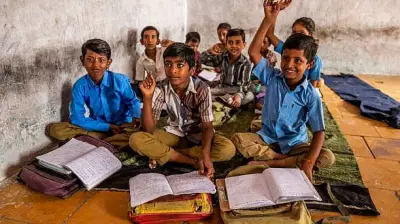
Educational institutions in Amritsar are currently navigating a contentious issue as reports emerge of external pressure being exerted on them to adopt a specific language within their academic curriculum. This development has sparked significant debate among educators, parents, and local authorities, highlighting concerns over the autonomy of schools and the potential cultural implications for the region.
Details of the Pressure Campaign
According to sources within the Amritsar school system, the pressure is not coming from official government channels but rather from certain community groups and organizations advocating for the inclusion of a particular language in the syllabus. These groups are reportedly urging schools to prioritize this language over others, citing cultural preservation and regional identity as key motivations. The exact language in question has not been officially named in all reports, but it is understood to be one with historical or cultural significance to the area.
School administrators have expressed unease over this situation, noting that such external demands could compromise their ability to design balanced and inclusive curricula. Many schools in Amritsar currently offer a diverse range of language options, including Punjabi, Hindi, and English, to cater to the multilingual student population. The push for a specific language threatens to disrupt this equilibrium, potentially sidelining other important linguistic studies.

Reactions from Educational Stakeholders
Teachers and principals in Amritsar have voiced mixed reactions to the pressure. Some educators argue that incorporating additional languages can enrich students' learning experiences, provided it is done voluntarily and with proper resources. However, others are concerned that mandated changes could lead to logistical challenges, such as a shortage of qualified instructors and appropriate teaching materials. There is also fear that this could set a precedent for further external interference in educational matters.
Parents in the community have shown divided opinions as well. While some support the idea of reinforcing cultural heritage through language education, others worry about the practical implications for their children's academic futures. They emphasize the importance of maintaining a curriculum that prepares students for national and global opportunities, rather than focusing narrowly on regional interests.
Broader Implications for Education in Punjab
This issue in Amritsar reflects larger tensions in Punjab regarding language policy and educational autonomy. Historically, the region has seen debates over the promotion of Punjabi language and culture in schools, often intersecting with political and social movements. The current pressure campaign could be seen as an extension of these ongoing discussions, raising questions about how language choices in education impact community cohesion and identity.
Educational experts warn that imposing a specific language without consensus could alienate segments of the student body and undermine the inclusive ethos of public schooling. They advocate for a collaborative approach, where schools, parents, and community leaders work together to develop language programs that respect diversity while honoring local heritage.
Potential Outcomes and Future Steps
As the situation unfolds, school authorities in Amritsar are considering their next steps. Some are engaging in dialogues with the pressuring groups to find a middle ground, while others are seeking guidance from higher educational boards and government bodies. The outcome could influence language policies not only in Amritsar but across Punjab, setting a benchmark for how similar issues are handled in the future.
In the meantime, students continue their studies amidst this uncertainty, with educators striving to maintain a stable learning environment. The resolution of this matter will likely depend on balancing cultural advocacy with educational pragmatism, ensuring that any changes to the curriculum serve the best interests of all students in Amritsar.