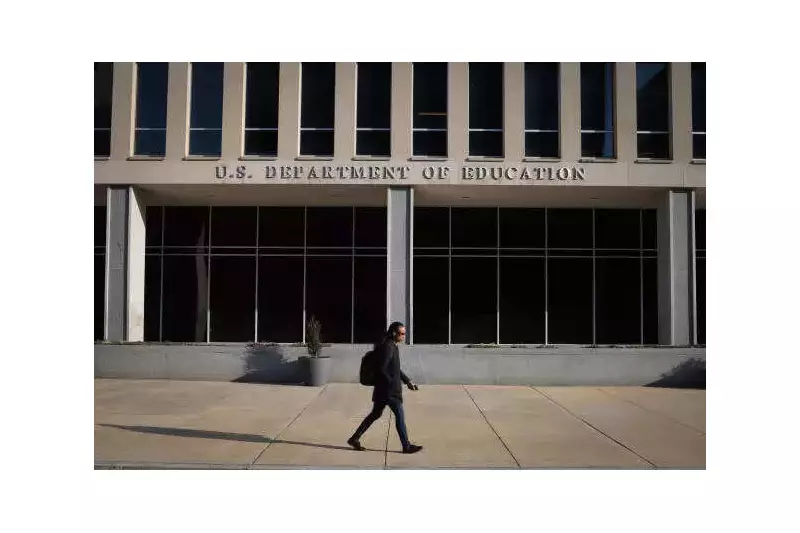
The United States Department of Education has issued a strong call to state education leaders across the nation, urging them to assist Title I schools in merging federal, state, and local funding into a single, flexible financial stream. This strategic initiative is specifically designed to slash bureaucratic paperwork, lower compliance-related expenses, and empower schools to concentrate more resources and energy on educational programs that directly enhance student learning and academic success.
Advocating for Schoolwide Program Flexibility
Kirsten Baesler, the Assistant Secretary for Elementary and Secondary Education, emphasized the importance of this approach in a recent statement. “Schoolwide programs, which allow for the consolidation of funds, are a powerful tool for local decisionmakers to break down silos between federal, state, and local funds,” Baesler remarked. “We hope leaders will expand eligibility and provide guidance on using these funds to serve students better and improve achievement.”
Understanding Title I Schoolwide Programs
Title I represents a critical federal program that allocates additional financial resources to schools with significant populations of students from low-income families. Schools that choose to operate under a Title I schoolwide program gain the ability to pool all available funds—including federal, state, and local sources—into one comprehensive, unified plan aimed at elevating learning outcomes for every student enrolled.

Unlike targeted assistance programs that focus resources on specific, identified students, schoolwide programs grant schools considerably greater flexibility to address the diverse educational needs of all learners. These plans are typically developed with valuable input from teachers, parents, and community members, ensuring that the school effectively addresses local priorities and challenges. All allocated funds must support the overarching schoolwide plan, with particular attention directed toward students who are academically struggling or falling behind.
Consolidating these various funding streams helps schools significantly reduce administrative burdens and paperwork, thereby freeing up precious resources that can be redirected toward essential areas like classroom teaching, personalized tutoring, enrichment programs, or professional development for educators. Despite these clear and compelling benefits, data indicates that only a relatively small number of schools currently take full advantage of the fund consolidation opportunities available to them.
Recent Guidance to Enhance School Flexibility
The Department’s recent guidance builds upon earlier administrative steps taken in 2025, all aimed at granting schools more autonomy and freedom to improve student outcomes effectively.
- Direct Student Services (March 31, 2025): This provision permits schools to allocate up to 3% of Title I funds directly toward supporting students through various initiatives.
- Persistently Unsafe Schools (May 7, 2025): This guidance assists states in developing strategies to enhance school safety and provides families with greater school choice options.
- School Improvement Provisions (June 26, 2025): This measure focuses on utilizing funds to aid underperforming schools and offer choice to students attending struggling institutions.
- Equitable Services (August 21, 2025): This initiative encourages the delivery of more effective and equitable services for students enrolled in private schools.
- Ed-Flex Authority (September 17, 2025): This authority allows states to waive certain federal regulatory requirements, thereby fostering local innovation without necessitating federal approval.
Collectively, these measures are intended to simplify the process for schools to use their funds more effectively and to sharpen their focus on programs that demonstrably improve learning outcomes and academic achievement.

The Critical Importance of Fund Consolidation
While data from the 2022-23 academic year shows that a substantial majority—approximately 86 percent—of Title I schools operate under schoolwide programs, very few actually consolidate their federal, state, and local funds into a unified stream. Combining these disparate funding sources reduces administrative duplication and offers superior coordination, directing resources more precisely to where they are needed most within the school environment.
Education experts highlight that fund consolidation enables schools to expand vital programs such as tutoring, after-school activities, comprehensive teacher training, and targeted support for academically struggling students. It also simplifies strategic planning, allowing educators and administrators to devote more time and energy to teaching and student engagement rather than being bogged down by bureaucratic paperwork.
Charting the Path Forward
The Department’s latest guidance reflects a broader, ongoing effort to grant local education leaders greater control and autonomy over their educational strategies and resource allocation. By actively encouraging the consolidation of funds, the federal government aims to enhance the ability of school districts—particularly those serving disadvantaged communities—to respond more fully and effectively to the unique needs of their students. This approach is expected to improve operational efficiency and elevate overall student success rates.
In practical terms, successful implementation would translate to increased assistance, improved facilities for learning, and enhanced security measures for students and their families. State education agencies are now expected to take a proactive role in guiding Title I schools to fully leverage the flexibility permitted under existing federal law, ensuring that these schools maximize the potential benefits of consolidated funding streams.