UGC Rules Controversy Sparks Intense Protests in Uttar Pradesh
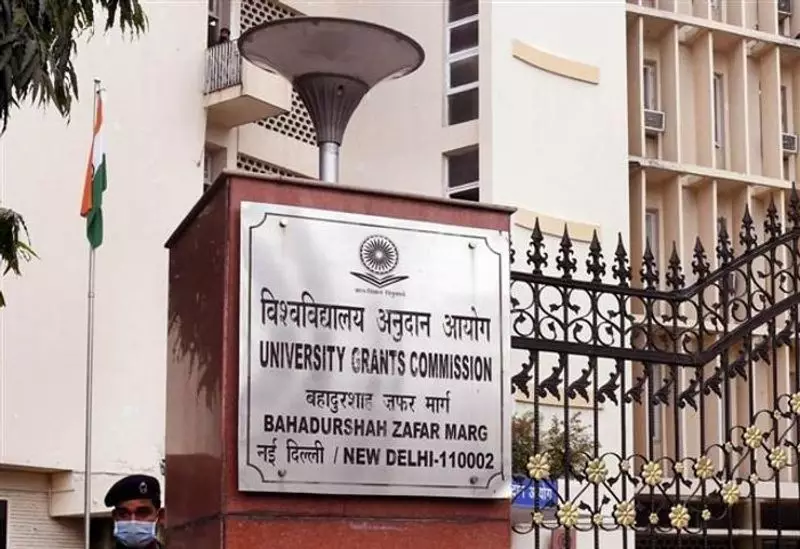
The ongoing dispute over the University Grants Commission's (UGC) revised rules for the National Eligibility Test (NET) has escalated dramatically in Uttar Pradesh, leading to significant political and public backlash. As demonstrations intensify across the state, two particularly striking incidents have captured national attention, underscoring the depth of frustration among students and academics.
BJP Functionary Resigns in Protest Against UGC Guidelines
In a notable political development, a local Bharatiya Janata Party (BJP) functionary has tendered his resignation from the party, citing strong opposition to the UGC's new regulations. This move highlights the internal dissent within political circles regarding the controversial guidelines, which many argue could adversely affect the prospects of research scholars and aspiring university teachers. The resignation signals that the issue transcends typical student activism, permeating into the political arena and challenging the government's education policies.
Man Writes Letter in Blood to Prime Minister Narendra Modi
Adding to the intensity of the protests, a man in Uttar Pradesh has written a letter in his own blood addressed to Prime Minister Narendra Modi, pleading for intervention in the UGC rules matter. This extreme form of protest symbolizes the desperation and emotional distress felt by many affected individuals who believe the new rules could jeopardize their academic careers and future opportunities. The blood letter has become a powerful emblem of the widespread discontent, drawing comparisons to historical acts of civil disobedience in India.

Nationwide Implications of the UGC Rules Row
The protests in Uttar Pradesh are part of a larger nationwide movement against the UGC's revised NET exam criteria. Critics argue that the changes, which include alterations in eligibility and qualification standards, could create barriers for students from diverse backgrounds, particularly those in rural areas or with limited resources. The UGC maintains that the updates aim to standardize and improve the quality of higher education, but opponents claim they may lead to increased inequality and reduced access to academic positions.
Key concerns raised by protesters include:
- Potential reduction in the number of candidates qualifying for junior research fellowships and assistant professor roles.
- Alleged favoritism towards certain educational institutions or regions under the new rules.
- Financial and logistical burdens imposed on students due to revised exam patterns and fees.
Government Response and Future Outlook
As protests continue to gain momentum, there is mounting pressure on the central government and the UGC to reconsider the rules. The resignation of the BJP functionary and the blood letter to the Prime Minister have amplified calls for dialogue and potential revisions. Education experts suggest that a balanced approach is needed to address both quality assurance and inclusivity in higher education.
The situation remains fluid, with student unions and academic bodies planning further demonstrations if their demands are not met. The outcome of this controversy could have lasting effects on India's education landscape, influencing policy decisions for years to come.