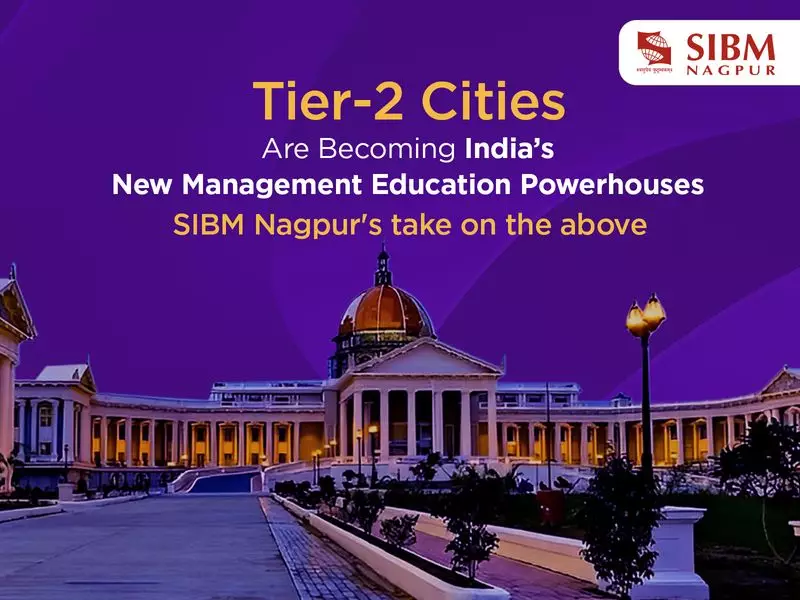
Tier 2 Cities Are Becoming India's New Management Education Powerhouses
India's educational landscape is witnessing a significant shift. Tier 2 cities are now emerging as major hubs for management education. This trend is reshaping how students and professionals access quality business programs across the country.
SIBM Nagpur Highlights the Transformation
Symbiosis Institute of Business Management in Nagpur provides a clear example of this change. The institute reports growing interest from students and corporate recruiters. Nagpur is no longer just a regional center. It is becoming a national player in management education.
This development offers several advantages. Students from smaller towns can now pursue top-tier management courses closer to home. They avoid the high costs and competition associated with metropolitan cities. Accessibility and affordability are key drivers behind this shift.

Factors Fueling the Growth in Tier 2 Cities
Several elements contribute to the rise of management education in these cities. Improved infrastructure plays a crucial role. Better connectivity through roads, railways, and airports makes these locations more attractive.
- Local industries are expanding and demanding skilled management professionals.
- Educational institutions are investing in modern facilities and experienced faculty.
- Government policies support the development of educational hubs outside major metros.
These factors combine to create a conducive environment for business schools. They attract students who seek quality education without relocating to expensive urban centers.
Impact on Regional Economies and Employment
The growth of management education in tier 2 cities has broader economic implications. It stimulates local job markets and encourages entrepreneurship. Graduates often find opportunities within their home regions.
- New businesses emerge as management graduates launch startups.
- Existing companies benefit from a steady supply of local talent.
- Real estate and service sectors experience growth around educational campuses.
This trend supports balanced regional development across India. It reduces the pressure on overcrowded metropolitan areas. Economic diversification becomes more achievable as these cities build their educational strengths.
Challenges and Future Prospects
Despite the progress, challenges remain. Some tier 2 cities still face issues with brand recognition compared to established metros. They must work harder to attract top faculty and corporate partnerships.
However, the future looks promising. Institutions like SIBM Nagpur are leading the way. They demonstrate that quality management education can thrive outside traditional hubs. This movement is likely to accelerate in the coming years.
More students will choose these emerging centers for their management studies. Corporate recruiters will expand their search beyond the usual metropolitan campuses. India's management education sector is becoming more inclusive and geographically diverse.