AIIMS Delhi's Oracle Medical Literary Fest Unites Eight Colleges in Creative Celebration
From January 16 to 18, the medical fraternity of Delhi witnessed a unique convergence of literature and medicine at the Oracle medical literary fest. Organized by eight leading medical colleges and spearheaded by AIIMS Delhi, this vibrant event brought together a diverse community of participants, faculty members, and literary enthusiasts from across the capital's healthcare landscape.
A Creative Respite from Rigid Academics
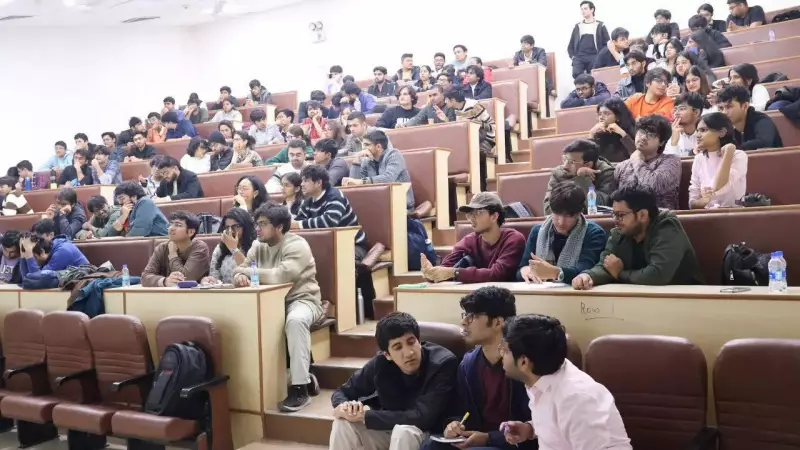
Passionate medical students, often confined to a rigid academic structure that prioritizes curriculum vitae over creativity, found themselves immersed in a reinvigorating and enriching experience. The fest offered a refreshing break from routine studies through creative arts, baffling quizzes, spirited debates, extempore speaking sessions, and intriguing panel discussions.
Students who typically navigate demanding medical curricula discovered at Oracle a platform where their artistic and intellectual sides could flourish alongside their clinical training.

Prominent Personalities and Intellectual Engagements
The festival's highlight was the Open Mic event, Awaaz, judged by Padma Shri legendary Hindi poet Dr. Ashok Chakradhar. Participants brimmed with fervor as they presented self-written poetry, showcasing literary talent rarely associated with medical education.
Oracle's panel discussions featured distinguished medical professionals including:
- Dr. R.L. Bijlani, former Head of Department of Physiology at AIIMS Delhi
- Dr. Debraj Shome, acclaimed plastic surgeon and author
- Dr. Tanaya Narendra, popular sex educator and content creator
- Dr. Tripti Sharan, author and physician
The event also welcomed Dr. Megha Tandon, Professor of Surgery at VMMC & Safdarjung Hospital, and Dr. Atul Goel, the director general of health services at India's Ministry of Health and Family Welfare.
Founding Vision and Future Legacy
Bharat Goel, a third-year MBBS student at AIIMS Delhi who served as literary secretary and founding president of Oracle, shared his perspective: "Bringing together eight medical colleges to collaborate for something bigger than themselves, unified only by the sheer love of language, and then actually making it happen—Oracle felt like a dream I wish never ended. Having sowed the seed, I cannot wait to see how Oracle blooms through the years, leaving a legacy of literature across generations."
Redefining Medical Education
At its core, Oracle embodied a profound belief that empathy, creativity, and reflection are essential components of medical education. The festival emphasized that doctors must be nurtured not just as skilled clinicians, but as compassionate thinkers who appreciate the humanistic dimensions of healthcare.
With its inaugural edition drawing enthusiastic participation and stimulating dialogue, Oracle has established a significant benchmark for medical literary initiatives. The event underscored the transformative power of the written and spoken word in shaping the future of medicine, demonstrating that literary engagement can complement and enhance medical training.
The success of this collaborative effort among eight medical colleges suggests a growing recognition within India's medical education system of the value of holistic development for future healthcare professionals.