JNU Under Fire for Significant Drop in SC/ST Student Admissions
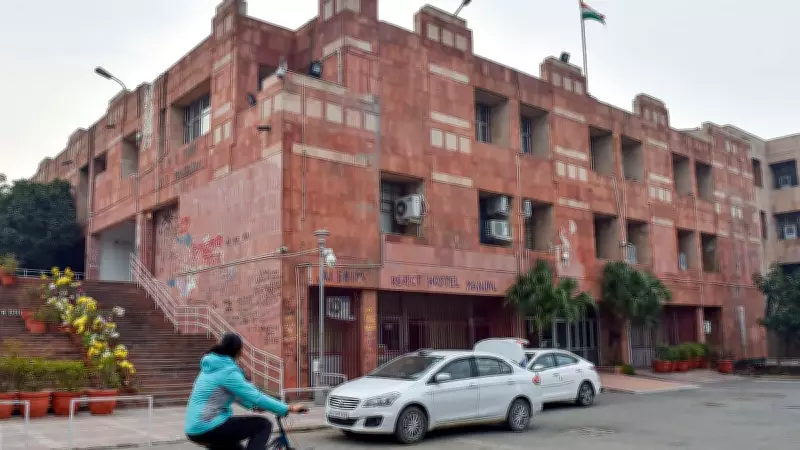
Jawaharlal Nehru University (JNU), a premier institution in India, is facing intense criticism and scrutiny following revelations of a sharp decline in the enrollment of students from Scheduled Castes (SC) and Scheduled Tribes (ST) categories. According to recent data presented in the Rajya Sabha, the enrollment figures for these marginalized groups have plummeted by a staggering 25% over recent years, raising serious concerns about the university's adherence to social justice principles and its commitment to inclusive education.
Digvijaya Singh Raises Alarm in Parliament
During a session in the Rajya Sabha, senior Congress leader and Member of Parliament Digvijaya Singh brought this alarming issue to the forefront. He highlighted the significant reduction in SC/ST admissions, questioning whether JNU is failing in its duty to promote social equity and provide equal opportunities for all sections of society. Singh's intervention has sparked a broader debate on the state of reservation policies and educational access in India's higher education institutions.
The decline in enrollment is particularly concerning given JNU's historical reputation as a progressive and inclusive university. Known for its vibrant student activism and emphasis on social justice, this trend contradicts the institution's stated values and has led to calls for immediate corrective measures.

Analyzing the Causes and Implications
Experts and stakeholders are now delving into the potential reasons behind this worrying trend. Several factors may be contributing to the drop in SC/ST enrollment at JNU:
- Changes in admission policies that might inadvertently disadvantage students from reserved categories.
- Inadequate outreach and support systems for prospective SC/ST applicants.
- Socio-economic barriers that continue to hinder access to higher education for marginalized communities.
- Possible shifts in the university's administrative focus away from affirmative action goals.
The implications of this decline are far-reaching. Not only does it affect the diversity and inclusivity of the student body, but it also undermines the broader objectives of India's reservation system, which aims to redress historical injustices and promote social mobility. A reduction in SC/ST representation at prestigious institutions like JNU could perpetuate existing inequalities and limit opportunities for upward social and economic movement.
Calls for Action and Accountability
In response to these revelations, there is growing pressure on JNU's administration to address the issue transparently and effectively. Key demands from activists, politicians, and educational experts include:
- Conducting a thorough review of admission processes to identify and eliminate biases or obstacles.
- Implementing targeted outreach programs to encourage applications from SC/ST communities.
- Enhancing financial aid and mentorship support for enrolled students from these backgrounds.
- Regularly publishing detailed enrollment data to ensure accountability and monitor progress.
Digvijaya Singh's remarks in the Rajya Sabha have underscored the need for parliamentary oversight and governmental intervention to uphold social justice in education. As the debate continues, all eyes are on JNU and other educational institutions to reaffirm their commitment to inclusivity and equitable access, ensuring that higher education remains a tool for empowerment rather than exclusion.