Google Summer of Code 2026 Opens Applications for Global Open Source Participation
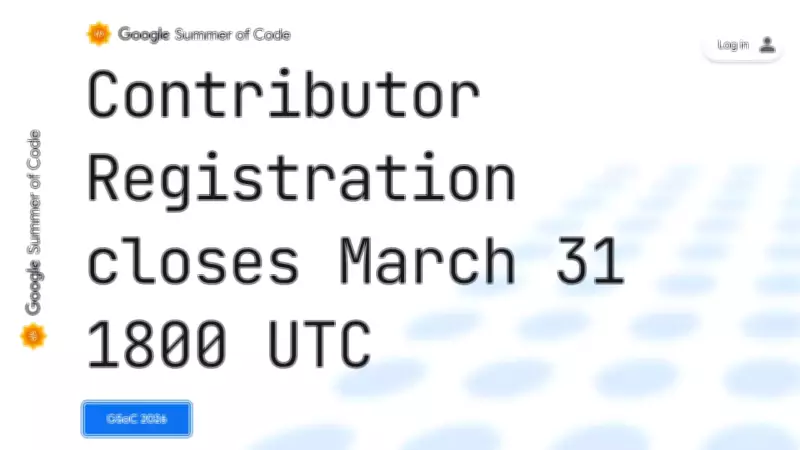
Google Summer of Code (GSoC) has officially launched its application window for the 2026 program cycle, inviting students and beginner contributors worldwide to engage in open source software development. The submission deadline is set for March 31, 2026, at 18:00 UTC, marking a significant opportunity for aspiring developers to gain hands-on experience under expert guidance.
Program Overview and Historical Impact
Now entering its 22nd consecutive year, the Google Summer of Code initiative continues its mission to introduce new talent to the open source ecosystem. Since its inception in 2005, the program has successfully onboarded over 22,000 participants from 123 different countries, contributing to diverse projects across numerous organizations. This longstanding effort has solidified GSoC's reputation as a premier gateway for emerging developers seeking to make meaningful contributions to collaborative software communities.
Eligibility Requirements and Program Structure
The program is open to individuals aged 18 and above who are new to open source development, offering structured exposure to real-world coding practices. Selected participants will commit to a minimum of 12 weeks working on coding projects, paired with experienced mentors from participating organizations. These mentors provide continuous guidance throughout the development period, ensuring contributors receive valuable support and feedback.

Upon successful completion of project milestones, contributors receive a stipend, making the program both an educational and financially rewarding experience. Organizers emphasize that applicants should thoroughly review official contributor guides and proposal-writing documentation before submitting their applications to maximize their chances of acceptance.
Application Process and Preparation Guidelines
Applicants must complete registration and submit detailed project proposals through the official GSoC platform before the March 31, 2026 deadline. The platform provides essential supporting materials, including:
- A comprehensive contributor guide
- Frequently asked questions section
- Detailed program rules and expectations
Candidates are strongly advised to explore the list of 184 mentoring organizations and identify projects that align with their technical skills and interests. Communication with organizations must follow listed contact methods, and applicants are instructed not to directly email mentors unless explicitly permitted by the organization's guidelines.
Additional Resources and AI Tool Guidance
The program offers extensive preparation resources to help applicants craft compelling proposals. These include:
- Introductory videos explaining the application process
- Organization highlight sessions showcasing available projects
- Community talks featuring previous successful contributors
For the 2026 cycle, specific guidance has been issued regarding the use of artificial intelligence tools in proposal development. While AI can assist in drafting, organizers stress that proposals must reflect the applicant's genuine understanding and capabilities.
Mentor Engagement and Community Interaction
Mentors participating in Google Summer of Code serve on a voluntary basis and often receive a high volume of enquiries during the application period. Applicants are encouraged to follow each organization's contributor guidance carefully and allow reasonable time for responses to their queries.
The program also provides access to dedicated community communication channels where applicants can engage with fellow participants and organizers. These platforms are designed to:
- Facilitate collaboration among aspiring contributors
- Clarify doubts about the application process
- Support interaction throughout the entire program cycle
This community-focused approach helps create a supportive environment for developers embarking on their open source journey, fostering connections that often extend beyond the program's duration.