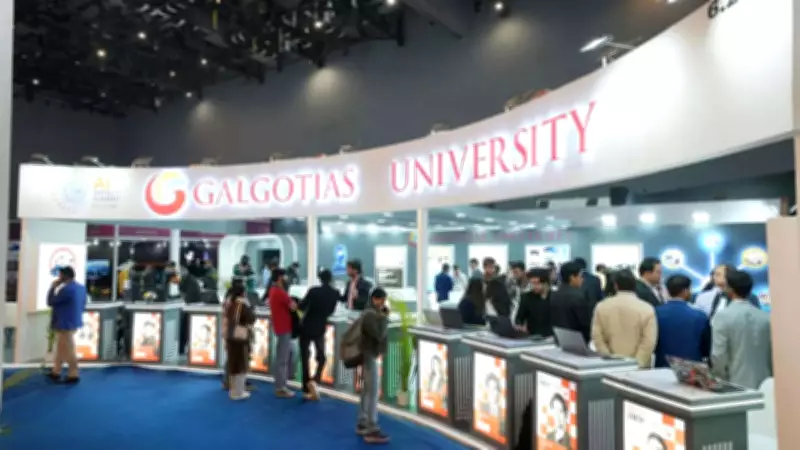
Galgotias University Faces Intense Social Media Backlash Over Global Ranking Claims
Galgotias University found itself embroiled in a significant social media controversy this Wednesday after publishing full-page advertisements in major Indian newspapers. The ads prominently featured claims of global recognition, describing the institution as "ranked globally" and "committed to making India proud." This marketing campaign immediately triggered a torrent of online criticism across multiple platforms.
Social Media Erupts with Mockery and Criticism
The advertisements prompted an immediate and overwhelming response from social media users, who flooded platforms with sarcastic remarks and memes questioning the university's credibility. Many users expressed skepticism about the validity of the global ranking claims, particularly in light of recent events that had already placed the institution under public scrutiny.
One particularly viral comment joked about the "two top universities" being "WhatsApp University and Galgotia University," highlighting the perceived lack of authenticity in the advertising claims. Other users took a more serious tone, suggesting the campaign had caused significant reputational damage.

- Users claimed people now "laugh when they hear the name" Galgotias University
- Comments suggested parents would "think twice before admitting their children" to the institution
- Multiple posts sarcastically linked the university's academic focus to internet memes
- The backlash amplified rapidly across platforms, creating a sustained negative narrative
AI Summit Incident Intensifies Scrutiny
The social media outrage gained additional momentum from a recent incident at the India AI summit held at Bharat Mandapam. During this flagship national event, Galgotias University was asked to vacate its exhibition stall following allegations about their displayed innovation.
The controversy centered around a robotic dog presented at the university's pavilion as an in-house development called "Orion." However, observers and critics identified the robot as the commercially available Unitree Go2, developed by Chinese robotics company Unitree Robotics.
This revelation sparked serious concerns about transparency and credibility, with critics arguing that showcasing an imported product as indigenous innovation at a national AI event undermined the institution's claims of technological advancement.
Official Response and Consequences
Following the scrutiny at the AI summit, officials reportedly cut power to the university's pavilion after requesting they leave the expo. This action further highlighted the seriousness of the allegations against the institution.
During an earlier interaction with DD News at the AI Summit, Professor Neha Singh had described the robotic dog as a product of the university's AI investments. She claimed the robot could perform surveillance and monitoring tasks and emphasized it was developed in-house, statements that now face increased skepticism in light of subsequent revelations.
The combination of the advertising campaign and the AI summit incident has created a perfect storm of negative publicity for Galgotias University, raising fundamental questions about:
- The accuracy of their marketing claims regarding global recognition
- The transparency of their research and innovation presentations
- The potential impact on student recruitment and institutional reputation
- The broader implications for educational marketing standards in India
As the social media backlash continues to unfold, education observers are closely monitoring how Galgotias University will address these dual controversies and what measures they might implement to restore confidence among prospective students, parents, and the academic community.