Nobel Economist Challenges Job-Ready Education Model at Jaipur Festival
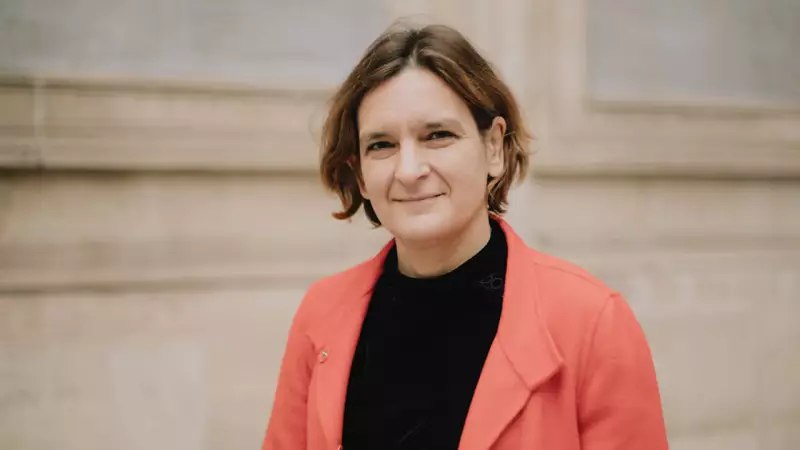
Nobel Prize-winning economist Esther Duflo delivered a powerful counter-message to the prevailing job-ready narrative during her appearance at the 19th Jaipur Literature Festival. Speaking to an audience of students and educators, she questioned the relentless focus on immediate employability that dominates modern education discussions.
The Problem with Chasing Current Job Skills
Duflo observed that students today often design their education around today's job market demands. They pursue programming languages, technical certifications, and specialized training programs that promise stable employment. However, she warned this approach creates a false sense of security.
The rapid evolution of technology, particularly artificial intelligence, is reshaping work faster than ever before. Skills that appear essential today might become obsolete within a few years, sometimes even before students complete their degrees. When education focuses too narrowly on specific technical abilities, students risk preparing for jobs that may not exist by graduation.

College as Preparation for a Lifetime of Change
Duflo urged students to reconsider their view of higher education. Rather than seeing college as a direct pathway to employment, she suggested viewing it as preparation for a lifetime of decisions, transitions, and continuous learning.
The real value of higher education lies in developing abilities that endure throughout a career, she emphasized during her Jaipur session. College education should include a strong humanities foundation that builds writing ability, critical thinking skills, and personal decision-making capacity.
These fundamental skills rarely appear in job descriptions, yet they enable people to grow, adapt, and remain relevant across decades-long careers that will inevitably change multiple times.
Why Humanities Remain Essential in a Technical World
At a time when technical and professional degrees dominate educational priorities, Duflo offered a compelling defense of humanities education. She stressed that subjects like philosophy, history, ethics, and social sciences should form the core of student learning.
These disciplines help students develop genuine understanding of the world rather than mere survival skills within it. Even technology-focused students benefit from humanities by developing insight, judgment, and ethical responsibility.
While machines can perform many tasks, only humans bring values, ethical considerations, and broad perspective to their work, Duflo noted, highlighting what remains irreplaceable in an automated world.
Master Fundamentals, Not Just Tools
Another crucial point from Duflo's address concerned the importance of foundational knowledge. Learning how to use specific tools provides temporary advantage, but understanding underlying principles creates lasting capability.
Instead of merely learning to write code, students should master fundamental probability and statistics, she explained during the festival session. These mathematical foundations underpin the technologies that will shape future work.
Tools will change and technologies will evolve, but students who grasp basic principles will always adapt successfully to whatever changes come next.
Relevance for Indian Education Pressures
For Indian students facing pressure to choose safe degrees with guaranteed placements, Duflo's message carries particular significance. An education system focused primarily on exams and short-term outcomes can leave graduates unprepared when careers take unexpected turns.
The way technology is advancing means we need to reconsider education fundamentals, she reflected, suggesting that sometimes progress requires stepping back to examine core assumptions.
What students truly need, she implied, is confidence in their ability to learn repeatedly throughout life rather than fear of deviating from predetermined career paths.
The Enduring Educational Takeaway
Esther Duflo isn't arguing against practical skills or successful careers. Instead, she asks students to look beyond immediate job prospects and consider who they want to become over a lifetime.

In a world where careers will transform multiple times, the most valuable education teaches how to think critically, adapt flexibly, and continue learning indefinitely. For students planning their futures today, this perspective offers both challenge and reassurance.