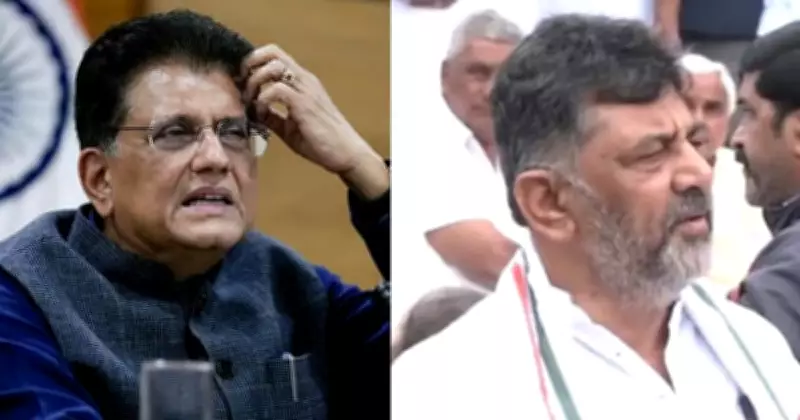
Commerce Minister Announces Major Trade Breakthrough with United States
In a significant development for bilateral trade relations, Union Commerce and Industry Minister Piyush Goyal has declared that several key Indian goods will now benefit from zero reciprocal tariffs when exported to the United States. This announcement marks a pivotal step in strengthening economic ties between the two nations and is expected to provide a substantial boost to Indian exporters across various sectors.
Details on the Zero Tariff Agreement
The new tariff arrangement, which eliminates reciprocal duties on a range of Indian products, is poised to enhance market access and competitiveness for Indian businesses in the lucrative American market. While the minister did not specify the exact list of goods covered, industry analysts anticipate that items such as textiles, pharmaceuticals, and agricultural products could be among the primary beneficiaries. This move is seen as a direct outcome of ongoing diplomatic negotiations aimed at fostering a more balanced and mutually advantageous trade partnership.
Shivakumar's Evasive Stance on Karnataka Leadership
In a parallel political development, Karnataka Deputy Chief Minister DK Shivakumar skillfully dodged questions regarding the chief minister's post during a recent media interaction. When pressed on the ongoing speculation about leadership changes within the state's ruling party, Shivakumar offered no clear response, instead focusing on administrative matters and development initiatives. His ambiguous remarks have fueled further conjecture about potential shifts in the state's political landscape, with observers closely monitoring the situation for any signs of internal party dynamics or strategic realignments.

Broader Implications for Indian Economy and Politics
The dual announcements underscore critical themes in contemporary Indian affairs:
- Economic Growth: The zero-tariff agreement with the US is likely to stimulate export-oriented industries, contributing to job creation and economic resilience amid global uncertainties.
- Trade Diplomacy: This development highlights India's proactive approach in negotiating favorable terms with major trading partners, reinforcing its position in international commerce.
- Political Uncertainty: Shivakumar's non-committal stance reflects the fluid nature of state-level politics, where leadership questions often remain unresolved until formal decisions are made by party hierarchies.
As these stories unfold, stakeholders from business communities to political analysts will be watching for further details on the tariff implementation and any clarifications from Karnataka's political leadership. The convergence of economic policy and political maneuvering illustrates the multifaceted nature of governance and its impact on both national and regional progress.