Punjab Farmers Announce Major Mobilization Against Proposed Indo-US Trade Agreement
Farm organizations across Punjab have issued a call for substantial mobilization on March 23, with the Sanyukt Kisan Morcha (SKM) and central trade unions designating Bhagat Singh's martyrdom day as an "anti-imperialist day" of protest. The coordinated action specifically targets the proposed Indo-US trade deal and various global developments that participants argue negatively affect agriculture and farmers' livelihoods.
Barnala Rally to Commemorate Martyrs and Galvanize Resistance
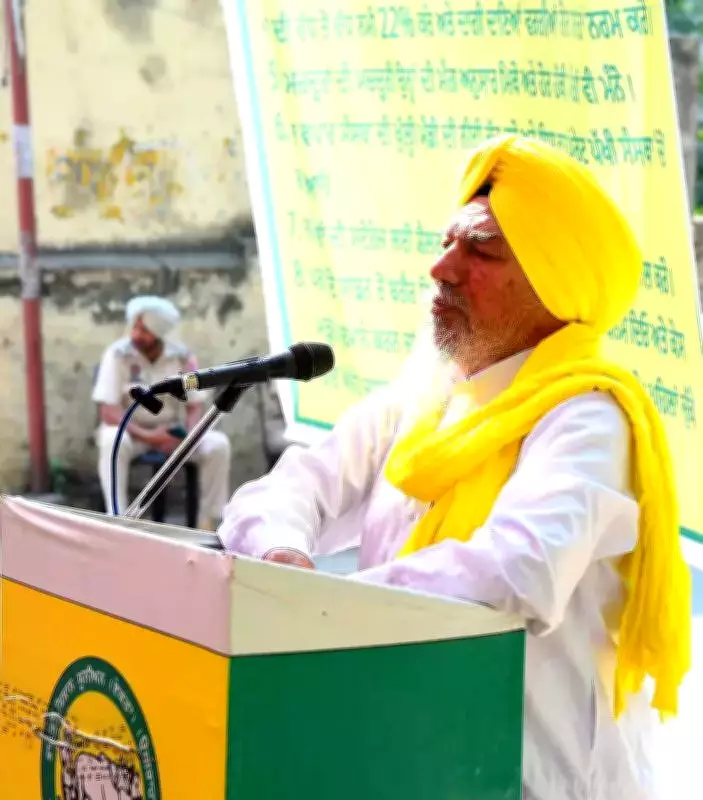
The Punjab unit of the SKM will organize a significant rally in Barnala to mark the 95th martyrdom anniversary of Bhagat Singh, Sukhdev, and Rajguru. This event is strategically planned to energize farmers against what the organizers label as "pro-corporate" and "pro-imperialist" governmental policies. Farmer groups in the state have expressed deep concerns regarding the inclusion of agricultural sectors in the pending India-US trade agreement, cautioning that it could severely damage Punjab's agrarian economy.
Key demands being highlighted during this mobilization include:

- A legal guarantee of Minimum Support Price (MSP) for all crops calculated at C2+50% formula
- Complete withdrawal of the four contentious labour codes enacted by the government
- Opposition to trade policies perceived as favoring corporate interests over farmers
Leadership Invokes Bhagat Singh's Legacy of Resistance
Joginder Singh Ugrahan, president of BKU (Ekta Ugrahan), emphasized that the protests aim to counter "imperialist pressures" and policies viewed as detrimental to farmers' welfare. "Punjab carries a proud legacy of resistance inspired by Bhagat Singh's sacrifice, and this rally intends to perpetuate that spirit against contemporary challenges," Ugrahan stated. The leadership frames the mobilization as a continuation of historical struggles against exploitation and external domination.
Broader Concerns: International Conflicts and Economic Impact
The SKM has also criticized the ongoing Iran conflict, asserting that such international tensions would exacerbate energy prices and inflation, thereby indirectly imposing additional burdens on farmers and the working class. This connection highlights how global geopolitical events can have direct consequences for agricultural communities through economic channels.
Calling for widespread participation, the SKM has urged farmers throughout Punjab to join the Barnala rally en masse to register their collective protest against policies they claim prioritize corporate agendas over fundamental agrarian concerns. The mobilization represents a significant convergence of historical commemoration, economic demands, and political protest within India's agricultural heartland.