Iranian Oil Tanker Shifts Course Mid-Voyage, Diverts from India to China
In a significant development in global oil trade, a vessel transporting Iranian crude oil has abruptly altered its course during its journey, switching its intended destination from India to China. This unexpected diversion has captured the attention of energy analysts and geopolitical observers, as it underscores the fluid and often unpredictable nature of international oil shipments amid ongoing geopolitical tensions.
Details of the Mid-Voyage Course Change
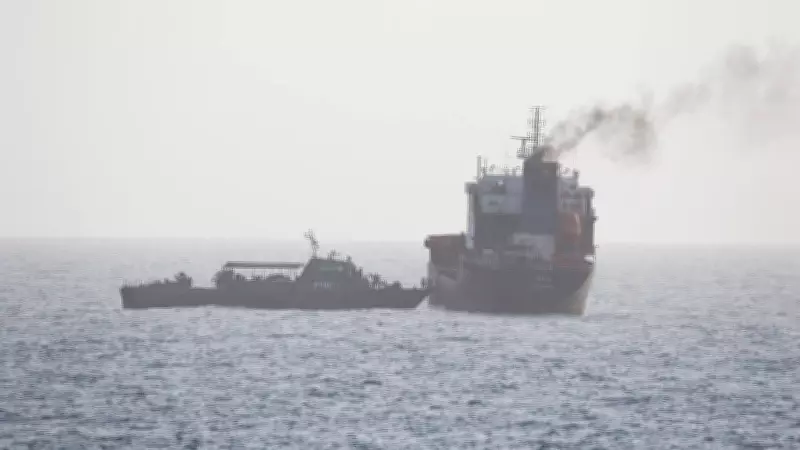
The ship, which was laden with a substantial cargo of Iranian oil, initially set sail with India as its planned port of call. However, midway through its voyage, the vessel's operators made a decisive shift in its route, redirecting it towards Chinese waters. This course correction occurred while the tanker was navigating key maritime routes, raising questions about the underlying reasons for such a last-minute change.
Geopolitical Implications and Trade Dynamics

This incident highlights the complex interplay between global oil markets and geopolitical factors. Iran, a major oil producer, has faced international sanctions that have impacted its export capabilities. The diversion from India to China may reflect shifting trade alliances and market demands, as China has historically been a significant importer of Iranian crude, often navigating around sanctions through various mechanisms.
India, on the other hand, has reduced its imports of Iranian oil in recent years due to diplomatic pressures and the availability of alternative sources. This tanker's rerouting could signal a realignment in Iran's export strategy, potentially prioritizing Chinese markets over Indian ones amid evolving international relations.
Potential Reasons Behind the Diversion
Several factors could have contributed to this mid-voyage diversion:
- Market Demand: Fluctuations in crude oil prices and demand patterns in China versus India might have made the Chinese market more lucrative at this time.
- Logistical Considerations: Operational issues, such as port availability or shipping schedules, could have necessitated the change.
- Geopolitical Pressures: Ongoing sanctions and diplomatic maneuvers may have influenced the decision to redirect the shipment to a more favorable destination.
- Contractual Agreements: Changes in buyer-seller agreements or last-minute deals with Chinese entities could have prompted the shift.
Impact on Regional Energy Security
This event has broader implications for energy security in the region. India's reliance on imported oil makes it vulnerable to such disruptions, while China's ability to absorb additional Iranian crude could strengthen its energy reserves. The diversion also raises questions about the stability of oil supply chains and the potential for similar incidents in the future, as global tensions persist.
Broader Context in Global Oil Trade
The movement of Iranian oil tankers is closely monitored due to international sanctions and geopolitical rivalries. This diversion adds another layer to the intricate web of global oil trade, where routes and destinations can change rapidly in response to economic and political stimuli. It serves as a reminder of the volatility in energy markets and the need for importing nations to diversify their sources to mitigate risks.
In conclusion, the mid-voyage diversion of this Iranian oil tanker from India to China is a notable event that reflects the dynamic and often unpredictable nature of international oil trade. As geopolitical landscapes evolve, such shifts may become more common, influencing global energy patterns and regional economies.